
.jpeg)
Analysis of the reasons why some patients are not recommended to take Lynparza
Olaparib (Olaparib) is a PARP inhibitor, mainly used for patients with ovarian cancer, breast cancer and prostate cancer related to BRCA gene mutations. In clinical use, not all patients are suitable for taking it, and some patients have medication risks or unclear efficacy, so careful evaluation is required.
First, the efficacy of olaparib may be significantly reduced in patients who do not have BRCA gene mutations or other DNA repair defects. Since its mechanism of action relies on PARP inhibition, which leads to DNA repair impairment and induces tumor cell death. If the patient lacks the relevant genetic background, the drug will have limited effect, which may cause unnecessary economic burden and potential side effects.
Secondly, patients with liver and kidney dysfunction are not recommended to take Lynparza blindly. Lynparza is mainly metabolized by the liver in the body, and some metabolites are excreted by the kidneys. If the liver and kidney functions are severely damaged, drug accumulation in the body may increase the risk of toxicity, leading to aggravation of bone marrow suppression, nausea, vomiting and other adverse reactions, which may even threaten life in severe cases.
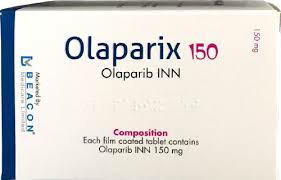
Finally, olaparib should also be used with caution in patients with severe cardiovascular disease, active infections, or who are receiving other strong drug combinations. Such patients are more likely to experience serious side effects or drug interactions during use, which may aggravate existing diseases or cause new health problems. Therefore, before using olaparib, it must be evaluated by a professional doctor to ensure that patients strike a balance between safety and efficacy.
Reference materials:https://www.drugs.com/
[ 免责声明 ] 本页面内容来自公开渠道(如FDA官网、Drugs官网、原研药厂官网等),仅供持有医疗专业资质的人员用于医学药学研究参考,不构成任何治疗建议或药品推荐。所涉药品可能未在中国大陆获批上市,不适用于中国境内销售和使用。如需治疗,请咨询正规医疗机构。本站不提供药品销售或代购服务。


