
.jpeg)
Common side effects and safe medication precautions of ritixitinib (Lefenox)
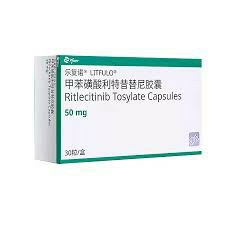
Ritlecitinib (Ritlecitinib) is a new oral small molecule JAK3 inhibitor. It is mainly used to treat immune-related diseases, especially in autoimmune hair loss diseases such as alopecia areata (Alopecia Areata). By selectively inhibiting the JAK3 signaling pathway, ritexitinib can intervene in abnormal immune responses and reduce the immune system's attack on hair follicles, thereby promoting hair regeneration. However, during clinical use, the side effects and safety issues of ritexitinib still need to be taken seriously to ensure that patients can obtain curative effect while reducing the risk of adverse events.
The most common side effects of ritixitinib in clinical trials and real-world applications include upper respiratory tract infection, headache, fatigue, and gastrointestinal discomfort. Upper respiratory tract infection mainly manifests as throat pain, nasal congestion, cough and other symptoms, which are usually mild to moderate and can be relieved by symptomatic treatment. Fatigue and headache may be related to the drug's slight impact on the immune system and central nervous system. Patients need to take appropriate rest during use and monitor changes in symptoms. Gastrointestinal reactions, such as nausea, diarrhea, loss of appetite, etc., are mostly mild and generally do not require discontinuation of medication. Discomfort can be alleviated by taking the medication in divided doses or after a meal.
In addition to common side effects, rituxitinib may also cause some hematological and metabolic abnormalities, such as thrombocytopenia, leukopenia, elevated liver enzymes, and changes in blood lipid levels. Therefore, it is recommended that patients undergo regular blood routine, liver function and blood lipid tests before and during medication. Once a significant decrease in blood count or a significant increase in liver enzymes is found, the doctor should be contacted promptly for dose adjustment or temporary discontinuation of the drug to prevent serious adverse events. For patients with previous severe liver and kidney damage or immune system diseases, a comprehensive evaluation should be conducted before using ritexitinib and used with caution under the guidance of a physician.
In terms of medication safety management, ritexitinib emphasizes individualized treatment and gradual dose adjustment. Patients should follow medical advice to start with a low dose in the initial phase and escalate the dose based on efficacy and tolerability. At the same time, concomitant use with other immunosuppressive drugs or liver enzyme inducers should be avoided to reduce the risk of drug interactions. While taking the medication, patients should maintain a healthy lifestyle, pay attention to balanced nutrition and adequate sleep, and promptly report any abnormal symptoms, including fever, infection or rash. In addition, female patients should avoid using this drug during pregnancy and lactation to prevent potential risks to the fetus or baby.
Overall, ritixitinib has significant efficacy in the treatment of autoimmune alopecia and related diseases, but its safety needs to be strictly managed. Through standardized monitoring, reasonable dose adjustment and individualized treatment plans, the vast majority of patients can control disease progression while minimizing the risk of side effects. In the future, with the accumulation of more long-term clinical studies and real-world data, the safety management plan of ritexitinib is expected to be more complete, providing patients with more efficient and safe treatment options.
Reference materials:https://www.drugs.com/
[ 免责声明 ] 本页面内容来自公开渠道(如FDA官网、Drugs官网、原研药厂官网等),仅供持有医疗专业资质的人员用于医学药学研究参考,不构成任何治疗建议或药品推荐。所涉药品可能未在中国大陆获批上市,不适用于中国境内销售和使用。如需治疗,请咨询正规医疗机构。本站不提供药品销售或代购服务。


