
.jpeg)
Analysis of the indications and clinical applicable population of Ixazomib (Enleri)
Ixazomib (Ixazomib) is an oral proteasome inhibitor mainly used to treat multiple myeloma (Multiple Myeloma, MM). Its mechanism of action is to control the progression of myeloma by inhibiting the activity of the 26S proteasome, interfering with the protein degradation pathway in tumor cells, inducing tumor cell apoptosis, and inhibiting cell proliferation signals. Compared with traditional intravenous medication, oral administration of ixazomib is more convenient, improves patient compliance, and provides the possibility for long-term maintenance treatment.
In terms of clinical indications, ixazomib is often used in combination with lenalidomide (Lenalidomide) and dexamethasone (Dexamethasone) for patients with multiple myeloma who have received at least one treatment in the past. Combination therapy has shown good efficacy in multiple clinical trials and can significantly extend progression-free survival (PFS) and overall survival (OS). It is especially suitable for patients who require long-term maintenance therapy or who cannot tolerate intravenous therapy.
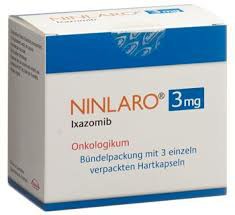
In terms of applicable population, ixazomib is suitable for adult patients, including elderly patients and some patients with mild to moderate renal impairment. Before use, the patient's hematological indicators, liver and kidney function, and previous medication need to be assessed to determine whether ixazomib and its combination regimen are suitable for use. For patients with a significant decrease in platelets or severe hepatic and renal dysfunction, it should be used with caution, and close monitoring and dose adjustment should be performed during treatment.
In addition, ixazomib has shown potential value in the maintenance phase. After the initial induction course, some patients can continue oral maintenance therapy with ixazomib, thereby delaying disease recurrence and progression. During maintenance treatment, attention should be paid to possible side effects, including hematological abnormalities, gastrointestinal reactions, and peripheral neuropathy. Reasonable dose adjustment, regular monitoring and symptomatic treatment can effectively ensure the efficacy and improve the patient's quality of life.
Reference materials:https://www.drugs.com/
[ 免责声明 ] 本页面内容来自公开渠道(如FDA官网、Drugs官网、原研药厂官网等),仅供持有医疗专业资质的人员用于医学药学研究参考,不构成任何治疗建议或药品推荐。所涉药品可能未在中国大陆获批上市,不适用于中国境内销售和使用。如需治疗,请咨询正规医疗机构。本站不提供药品销售或代购服务。


