
.jpeg)
Safety matters and risk tips that need to be paid attention to when using seripalase (BRINEURA)
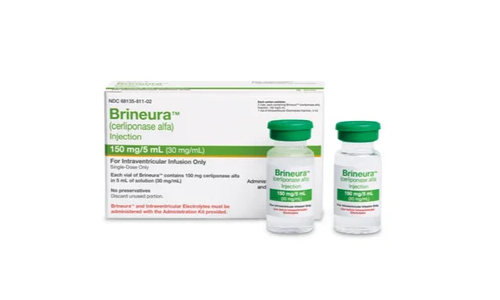
Seripase (BRINEURA, common namecerliponase alfa) is an enzyme replacement therapy drug for gangliosidosis type 2 (CLN2 disease, also known as Ringer-Barrett disease or childhood neurodegenerative lysosomal disease). The drug helps to break down the abnormal accumulation of mucopolysaccharides in the patient's body by directly supplementing the missing enzyme, thereby delaying the decline of neurological function and motor ability. Due to its special mechanism of action and administration method, safe medication practices need to be strictly followed during the use of seripase to reduce potential risks and ensure efficacy.
First, seripase is administered by intracerebroventricular injection and delivered directly to the central nervous system through an intraventricular catheter (ICV). This method of administration has high requirements on the operating environment and medical staff. It must be carried out in a medical institution with ICU or neurosurgery conditions to ensure aseptic operation and avoid complications such as catheter infection, blockage or intraventricular hemorrhage. Patients should undergo a comprehensive physical examination before injection, including hematology, liver and kidney function, and neurological assessment to confirm suitability for treatment. During the injection process, the patient's vital signs, especially heart rate, blood pressure and body temperature, should be closely monitored, and any abnormal reactions should be dealt with promptly.
Secondly, allergic reactions or immune-related side effects may occur during use of seripase. Common adverse reactions include fever, vomiting, headache, pruritus, and infusion site reactions. Some patients may develop anti-drug antibodies (ADA), resulting in reduced drug efficacy or allergic reactions. It should be used with caution in patients with a history of severe allergies or sensitivity to protein preparations, and an allergy risk assessment should be performed before the initial infusion. If a severe allergic reaction occurs, such as difficulty breathing, facial swelling or sudden drop in blood pressure, the infusion should be stopped immediately and emergency treatment should be carried out, and the event should be recorded for subsequent reference for dose adjustment.
Third, long-term use of seripase requires regular follow-up and monitoring to evaluate efficacy and safety. Follow-up includes neurological function assessment, exercise capacity examination, and imaging and laboratory index monitoring. Families and caregivers should understand drug administration procedures and precautions, including catheter maintenance, drug dilution, and infusion time management. Any abnormal symptoms, such as persistent fever, severe headache, rapid decline in neurological function, or signs of infection, should be reported to the doctor immediately for prompt treatment and prevention of worsening complications.
Finally, the use of seripatin requires attention to medication compliance and psychological support. CLN2The disease is a progressive neurodegenerative disease, and the treatment goal is mainly to delay the course of the disease rather than cure it, so long-term regular use of drugs is crucial. The patient's family should maintain close communication with the medical team to understand the expected efficacy of the drug, potential risks, and emergency treatment methods. In addition, psychological support and rehabilitation training are also important components of the overall treatment plan, which can improve the quality of life of children and help families cope with the long-term stress caused by the disease.
In summary, seripase (BRINEURA) has important clinical value in the treatment of CLN2 disease, but its use involves complex factors such as intraventricular injection, risk of high immune response, and long-term management. Through strict medication specifications, close monitoring of side effects, timely treatment of adverse reactions, and scientific long-term follow-up, the efficacy and safety can be guaranteed to the greatest extent, and a more stable treatment guarantee can be provided for children.
Reference materials:https://www.drugs.com/
[ 免责声明 ] 本页面内容来自公开渠道(如FDA官网、Drugs官网、原研药厂官网等),仅供持有医疗专业资质的人员用于医学药学研究参考,不构成任何治疗建议或药品推荐。所涉药品可能未在中国大陆获批上市,不适用于中国境内销售和使用。如需治疗,请咨询正规医疗机构。本站不提供药品销售或代购服务。


