
.jpeg)
Evaluation of the real efficacy and clinical application of Lynparza
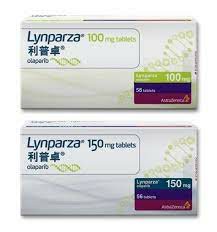
Olaparib (Olaparib) is an oral polyADP- ribose polymerase (PARP) inhibitor. It is one of the first drugs of its kind to be approved for marketing. It was initially approved for the treatment of ovarian cancer patients with BRCA1/2 gene mutations, and then its indications were gradually expanded to a variety of malignant tumors such as breast cancer, pancreatic cancer, and prostate cancer. The core treatment concept of Lynparza is "synthetic lethality", which uses the defects of the tumor cells' own DNA repair pathways and further blocks repair by inhibiting PARP, making it difficult for cancer cells to survive. In recent years, with the development of precision medicine and the popularization of genetic testing, olaparib has become more and more widely used in clinical applications, and real-world efficacy data have gradually become richer, becoming an important milestone in the field of targeted tumor therapy.
Olaparib has demonstrated significant efficacy advantages in multiple international phase III clinical trials. In the field of ovarian cancer, the SOLO1 study showed that in patients with advanced ovarian cancer carrying BRCA mutations, olaparib as first-line maintenance therapy can improve progression-free survival (PFS) median was extended to 56 months, significantly improved compared to placebo, and the risk of disease recurrence was reduced by more than 70%. In breast cancer, the OlympiAD study confirmed that olaparib monotherapy for BRCA mutated advanced breast cancer can significantly improve the objective response rate (ORR) and progression-free survival, and is better tolerated than chemotherapy.
In addition, in the field of prostate cancer and pancreatic cancer, PROfound and POLO studies have further expanded their application scope. In prostate cancer, olaparib significantly improves PFS in patients with positive HRR gene mutations. In pancreatic cancer, maintenance therapy in people with BRCA mutations also shows clinical benefit in delaying disease progression. These data demonstrate that olaparib can play an important role in a variety of solid tumors, especially in tumor types with defects in the DNA repair mechanism. Its efficacy is particularly outstanding.
In real-world clinical applications, the efficacy of Lynparza is closely related to the patient's genetic characteristics, previous treatment history and physical condition.
First, genetic background is a key determinant of efficacy. Patients with BRCA1/2 mutations usually respond most significantly to olaparib, while patients with non-BRCA mutations but HRD (homologous recombination repair deficiency)-positive patients can also obtain a certain degree of clinical benefit. Secondly, the earlier the treatment line, the better the effect. When used as first-line maintenance therapy, olaparib can more effectively delay disease recurrence, but when used after multiple lines of therapy, the efficacy may be reduced due to the gradual emergence of resistance mechanisms.
Third, the therapeutic effects of different cancer types vary significantly. In ovarian cancer, olaparib has a high long-term response rate, and some patients can even maintain stable disease for several years; in pancreatic cancer and advanced prostate cancer, although the efficacy is accurate, the duration is relatively short, and it needs to be combined with other drugs or maintenance treatment programs to consolidate the efficacy.
In addition, real-world data also show that factors such as the patient's general condition, liver and kidney function, and concomitant medications can also affect efficacy and safety, so individualized treatment plans are very important.
Overall, olaparib has definite anti-tumor activity clinically and is an important breakthrough in the treatment of DNA tumors with defective repair. Its oral administration method improves patient compliance and has relatively good safety. Common adverse reactions include fatigue, nausea, anemia, loss of appetite, etc., which can usually be improved by adjusting the dose or symptomatic and supportive treatment. In clinical application evaluation, olaparib has performed well in prolonging PFS and improving quality of life, but the improvement in overall survival (OS) still needs further long-term data support.
Currently, more and more studies are exploring the combination of olaparib with immunotherapy, chemotherapy or other targeted drugs to break through the resistance bottleneck. For example, combined treatment with PD-1/PD-L1 inhibitors may further enhance the anti-tumor immune response; combination with anti-angiogenic drugs may enhance the DNA damage effect. In the future, with the improvement of companion diagnostic technology and the refined screening of biomarkers, the number of people using Lynparza is expected to further expand, and the level of precision medication will also continue to improve.
Olaparib, as a representative drug ofPARP inhibitors, has demonstrated significant real efficacy and good clinical application value in a variety of malignant tumors. Through genetic testing to screen suitable people and rationally select treatment timing and combination options, we can maximize its therapeutic potential. In the future, its position in precision medicine and combination therapy is expected to be further consolidated, providing long-term survival benefits to more cancer patients.
Reference materials:https://www.drugs.com/
[ 免责声明 ] 本页面内容来自公开渠道(如FDA官网、Drugs官网、原研药厂官网等),仅供持有医疗专业资质的人员用于医学药学研究参考,不构成任何治疗建议或药品推荐。所涉药品可能未在中国大陆获批上市,不适用于中国境内销售和使用。如需治疗,请咨询正规医疗机构。本站不提供药品销售或代购服务。


