
.jpeg)
Comparison of the advantages and disadvantages of whether Doxorubicin or Paclitaxel is more suitable for treating different cancers
Doxorubicin (Doxorubicin) is an anthracycline anti-tumor antibiotic that inhibits topoisomerase II activity by embedding into the DNA double-stranded structure, blocking DNA replication and transcription, thereby inducing cancer cell apoptosis. It is a broad-spectrum chemotherapy drug that can be used to treat a variety of malignant tumors such as breast cancer, ovarian cancer, lung cancer, leukemia, and lymphoma. Paclitaxel (Paclitaxel) belongs to the taxane class of anti-tumor drugs. It prevents mitosis by promoting microtubule polymerization and stabilizing the microtubule structure, ultimately leading to cell cycle arrest and apoptosis. Paclitaxel is widely used in breast cancer, ovarian cancer, non-small cell lung cancer, and esophageal cancer.
Doxorubicin has a remarkable effect on rapidly proliferating cancer cells due to itsDNA damage mechanism, especially in adjuvant chemotherapy for leukemia, lymphoma and breast cancer. Paclitaxel is better at controlling solid tumors, especially in advanced breast cancer, ovarian cancer and non-small cell lung cancer, and can prolong progression-free survival (PFS) and overall survival (OS). Clinically, doxorubicin is often used in combination chemotherapy regimens, such as the AC regimen (doxorubicin + cyclophosphamide) to treat breast cancer, while paclitaxel is often combined with platinum or other drugs for first-line or second-line treatment of advanced solid tumors.
The main adverse reactions of doxorubicin include bone marrow suppression, nausea and vomiting, alopecia and cardiotoxicity, especially when the cumulative dose is too high, it may lead to heart failure. Therefore, it is necessary to strictly control the total dose and periodically monitor cardiac function when using doxorubicin. Common side effects of paclitaxel are bone marrow suppression, peripheral neuropathy, allergic reactions, and muscle and joint pain. Especially allergic reactions are prone to occur during intravenous infusion, and glucocorticoids and antihistamines need to be given in advance to prevent them. In comparison, paclitaxel has less cardiotoxicity, but neurotoxicity may affect long-term quality of life.
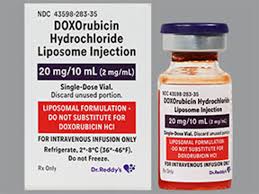
Doxorubicin resistance is mainly related toP-glycoprotein efflux and topoisomerase II mutations, and the efficacy of some patients decreases after long-term use. Paclitaxel resistance is mostly related to structural changes in tubulin or drug efflux. For advanced cancer patients undergoing multi-line treatment, drug resistance remains a clinical challenge. Therefore, when choosing a drug, it is necessary to consider the previous treatment history, risk of drug resistance, and the patient's overall condition.
In breast and ovarian cancer, doctors often choose appropriate solutions based on pathological type and stage. Doxorubicin is suitable for tumors that are highly proliferative and sensitive to DNA damage and can be combined with cyclophosphamide, cisplatin, etc.; paclitaxel is suitable for advanced solid tumors, especially in combination with platinum drugs, which can enhance efficacy and reduce the incidence of drug resistance. In some breast cancer patients, lead therapy with doxorubicin can be used to quickly control the tumor, and then paclitaxel can be used to maintain the effect.
Doxorubicin is usually not the first choice in patients with cardiac dysfunction or a history of heart disease, while paclitaxel should be used with caution in patients with significant peripheral neuropathy. Elderly patients or those with poor bone marrow function need to adjust the dose to ensure safety. Comprehensive consideration of tumor type, stage, previous treatment history and patient tolerance can enable personalized drug selection, improve efficacy and reduce the risk of toxic side effects.
Generally speaking, doxorubicin has outstanding efficacy in hematological tumors and high-proliferation solid tumors, but cardiotoxicity limits the cumulative dose; paclitaxel has obvious therapeutic advantages in advanced solid tumors, especially breast and ovarian cancer, but neurotoxicity and allergic reactions need to be paid attention to. Clinically, the two can be flexibly selected according to tumor type, individual patient conditions and combined chemotherapy regimens to achieve the best treatment effect. In the future, combined programs combining targeted drugs and immunotherapy will further enhance the application value of doxorubicin and paclitaxel in tumor treatment.
Reference materials:https://www.drugs.com/
[ 免责声明 ] 本页面内容来自公开渠道(如FDA官网、Drugs官网、原研药厂官网等),仅供持有医疗专业资质的人员用于医学药学研究参考,不构成任何治疗建议或药品推荐。所涉药品可能未在中国大陆获批上市,不适用于中国境内销售和使用。如需治疗,请咨询正规医疗机构。本站不提供药品销售或代购服务。


