
.jpeg)
Analysis of the mechanism of action of estramustine and its effect on tumor cells
Estramustine (Estramustine) is an anti-tumor drug that combines estrogen and nitrogen mustard with a similar structure. It is mainly used for the treatment of prostate cancer, especially advanced or hormone-resistant prostate cancer. Its unique molecular structure enables the drug to have both estrogen-regulating effects and microtubule-inhibiting functions of chemotherapy drugs, providing a dual mechanism of action for clinical treatment. Through this combination, estramustine can exert inhibitory effects at different stages of tumor growth, making it one of the important treatment options for patients with advanced prostate cancer.
The main mechanism of action of estramustine is to interfere with the function of tubulin. After it binds to tubulin, it prevents microtubule polymerization, causing tumor cells to arrest in the G2/M phase and unable to complete normal mitosis, thereby inhibiting cell proliferation. At the same time, its estrogen part can bind to estrogen receptors in tumor cells, interfere with hormone signaling pathways, and further reduce the proliferation rate of cancer cells. The dual mechanism of action gives estramustine significant advantages in inhibiting tumor cell division and growth.
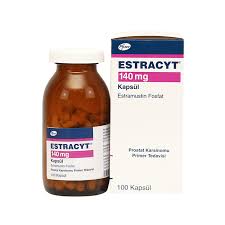
In in vitro and clinical studies, estramustine can induce apoptosis in prostate cancer cells, reduce cell motility and invasiveness, thereby reducing the risk of tumor spread. Blockage of microtubule function not only hinders cell division, but also damages the cytoskeletal structure, causing cancer cells to lose their morphological stability and migration ability. In addition, the estrogen component inhibits androgen-driven tumor signaling to a certain extent, providing additional support for prostate cancer treatment.
Clinical application shows that estramustine can delay disease progression and improve the quality of life of advanced patients, but attention must be paid to hormone-related side effects such as thrombosis, breast tenderness, and edema during use. Doctors usually develop an individualized medication plan based on the patient's overall health, liver and kidney function, and thrombosis risk, and regularly monitor blood routine, coagulation function, and tumor indicators during treatment to ensure the best balance between efficacy and safety.
Reference materials:https://www.drugs.com/
[ 免责声明 ] 本页面内容来自公开渠道(如FDA官网、Drugs官网、原研药厂官网等),仅供持有医疗专业资质的人员用于医学药学研究参考,不构成任何治疗建议或药品推荐。所涉药品可能未在中国大陆获批上市,不适用于中国境内销售和使用。如需治疗,请咨询正规医疗机构。本站不提供药品销售或代购服务。


