
.jpeg)
What diseases is Elacetrant mainly used to treat and its clinical scope of application?
Elacestrant (Elacestrant) is a new oral selective estrogen receptor degrader (SERD) that has shown unique clinical value in the treatment of advanced or metastatic breast cancer. Its main targets are estrogen receptor positive (ER+) and human epidermal growth factor receptor 2 negative ( HER2-) breast cancer patients, especially those who have developed resistance to traditional endocrine therapies such as tamoxifen, aromatase inhibitors or Fulvestrant. By targeting the ER receptor, elastran can effectively interfere with tumor cell proliferation signaling pathways, achieve tumor growth inhibition, and provide new treatment avenues for patients.
The mechanism of action of elastran is mainly by binding to estrogen receptors and inducing degradation of the receptors, thereby blocking the activity of the ER signaling pathway. This mechanism allows it to still be effective in patients with endocrine-resistant breast cancer, because drug resistance is often associated with receptor dysfunction or signaling pathway reprogramming. Compared with traditional oral anti-estrogen drugs, elastran has a stronger receptor degradation ability, which not only inhibits the growth of estrogen-dependent tumor cells, but may also reverse part of the resistance mechanism, allowing patients to obtain sustained therapeutic benefits.
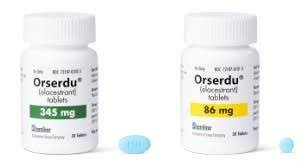
In terms of clinical research, elastran has shown considerable efficacy in multiple phase II and phase III trials. For patients with advanced breast cancer who have previously received endocrine therapy, elastran can significantly prolong progression-free survival (PFS), and tumor shrinkage and partial response have been observed in some patients. These findings suggest that elastrant is suitable not only for patients who are resistant to tamoxifen or aromatase inhibitors, but also for individuals who are still at risk of disease progression after prior use of Fulvestrant. In addition, the oral administration of elastran is more convenient than the injectable form of SERD, which helps improve patients' quality of life and treatment compliance.
The applicable scope of elastran is mainly concentrated onER+/HER2-Patients with advanced or metastatic breast cancer, especially those at high risk of endocrine therapy resistance or recurrence. Researchers are also exploring its potential value in patients with high risk of recurrence of early-stage breast cancer or in adjuvant treatment, trying to extend its role to early disease intervention and long-term maintenance treatment. In the future, with the accumulation of more clinical data and long-term follow-up results, elastran is expected to play a broader role in the treatment of breast cancer, not only improving disease control rates, but also showing potential in improving patients' quality of life and prolonging overall survival. Overall, as a new type of SERD, elastran fills the gap in the treatment of endocrine-resistant breast cancer and provides patients with new treatment options and clinical hope.
Reference materials:https://www.drugs.com/
[ 免责声明 ] 本页面内容来自公开渠道(如FDA官网、Drugs官网、原研药厂官网等),仅供持有医疗专业资质的人员用于医学药学研究参考,不构成任何治疗建议或药品推荐。所涉药品可能未在中国大陆获批上市,不适用于中国境内销售和使用。如需治疗,请咨询正规医疗机构。本站不提供药品销售或代购服务。


