
.jpeg)
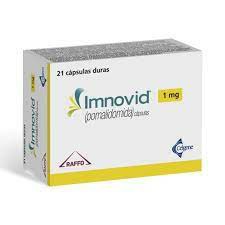
Detailed labeling guide for pomalidomide
Pomalidomide (Pomalidomide) is an innovative oral drug with dual immunomodulatory and anti-tumor effects. It is a thalidomide derivative. As a third-generation immunomodulator, it has shown significant efficacy in the treatment of multiple myeloma, Kaposi's sarcoma and other diseases, and is considered one of the important late-line drugs for relapsed and refractory hematological malignancies.
1. Main indications
Pomalidomide’s approved indications include two major categories of diseases:
(1)Multiple myeloma (MM): Applicable to adult patients who have received at least two treatments, including lenalidomide and a proteasome inhibitor, and whose disease has progressed. It is often used in combination with dexamethasone to slow tumor cell growth and improve symptoms.
(2) Kaposi's sarcoma (KS): It is suitable for HIV-positive patients who are ineffective on highly active antiretroviral therapy (HAART) and HIV-negative adult patients with Kaposi's sarcoma. Studies have shown that pomalidomide can inhibit the spread of tumors and improve skin and mucosal lesions to a certain extent.
2. Usage and dosage management
Pomalidomide should be used under the guidance of a doctor. For women of childbearing potential, pregnancy negative results must be confirmed before treatment and effective contraceptive measures must be taken.
In multiple myeloma, the recommended dose is 4 mg taken orally daily, with a 7-day break as a course of treatment after 21 days of taking. In patients with Kaposi's sarcoma, the recommended dose is 5 mg daily, also administered in a 28-day cycle. If blood cell decline, fatigue or other toxic reactions occur, the doctor will adjust the dose based on tolerance, and the dose can be reduced to as low as 1 mg per day.
If strongCYP1A2 inhibitors must be used concurrently, the pomalidomide dose should be halved to 2 mg. Patients with liver function impairment also need to reduce the dose appropriately according to the severity of the disease.
3. Adverse reactions and monitoring
Common side effects of pomalidomide are mainly concentrated in the blood system, including anemia, neutropenia, thrombocytopenia and fatigue. In addition, some patients may develop peripheral edema, infection, rash, or neuropathy. Less common but serious adverse reactions include liver failure, allergic reactions, thyroid dysfunction, and drug-induced skin reactions such as Stevens-Johnson syndrome.
During treatment, routine blood tests and liver and kidney function tests should be performed regularly. If serious adverse events are found, the drug should be discontinued immediately and medical evaluation should be conducted.
4. Storage and safety precautions
Pomalidomide should be stored in a cool, dry environment at 20°C to 25°C, away from direct sunlight. The capsules must be swallowed whole. Do not break or crush the capsules to prevent the powder from contacting the skin or mucous membranes. In case of accidental contact, rinse immediately with plenty of water.
5. Taboos and risk warnings
(1) Contraindicated for pregnant women: Pomalidomide and thalidomide are both teratogenic drugs and can cause serious fetal malformations in animal experiments, so their use by pregnant and lactating women is strictly prohibited.
(2) Contraindicated for those with allergies: Patients who are allergic to pomalidomide or its excipients should not use this product to prevent angioedema or severe skin reactions.
6. Analysis of mechanism of action
The core pharmacology of pomalidomide is to regulate the immune system and inhibit tumor angiogenesis. Its main target is the intracellular protein cereblon (CRBN), which is a component of the E3 ubiquitin ligase complex. Pomalidomide binds to cereblon, causing certain transcription factors (such as Aiolos and Ikaros) to be marked for degradation, thereby affecting immune cell activity and tumor cell survival.
In in vitro experiments, pomalidomide can inhibit the proliferation of myeloma cells and induce their apoptosis. It also has an inhibitory effect on lenalidomide-resistant cell lines, and can produce a synergistic killing effect when combined with dexamethasone. In addition, the drug can enhance the functions of T cells and natural killer cells (NK cells) and inhibit the release of pro-inflammatory cytokines such as TNF-α and IL-6, thus exerting comprehensive effects on immune regulation and anti-angiogenesis.
Reference materials:https://en.wikipedia.org/wiki/Pomalidomide
[ 免责声明 ] 本页面内容来自公开渠道(如FDA官网、Drugs官网、原研药厂官网等),仅供持有医疗专业资质的人员用于医学药学研究参考,不构成任何治疗建议或药品推荐。所涉药品可能未在中国大陆获批上市,不适用于中国境内销售和使用。如需治疗,请咨询正规医疗机构。本站不提供药品销售或代购服务。


