
.jpeg)
Detailed explanation of the efficacy, functions and applicable groups of Lynparza (Lipdrox)
Olaparib is an oral PARP (polyadenosine diphosphate ribose polymerase) inhibitor and one of the important targeted drugs in the field of precision tumor treatment. Its main mechanism of action is to inhibit the DNA repair pathway of tumor cells, causing cancer cells to be unable to effectively repair damage, thereby inducing cell apoptosis. Especially in tumors with BRCA1/2 gene mutations, the targeting effect of olaparib is more significant, so it is widely used in the treatment of ovarian cancer, breast cancer, pancreatic cancer, prostate cancer, etc., representing an important direction in the transformation of tumor treatment from chemotherapy to molecular targeted therapy in recent years.
In clinical application, olaparib was initially approved for maintenance treatment of recurrent ovarian cancer, especially for patients who are sensitive to platinum chemotherapy drugs and have BRCA mutations. Studies have shown that maintenance treatment with olaparib can significantly extend progression-free survival, and some patients even achieve long-term disease control. With the deepening of more research, the indications of olaparib have gradually expanded, and it is currently used to treat some patients with HER2-negative metastatic breast cancer, BRCA mutation-related pancreatic cancer, and metastatic castration-resistant prostate cancer (mCRPC). It is usually taken as a single-agent oral treatment, but can also be combined with other drugs to increase the effectiveness of the treatment.
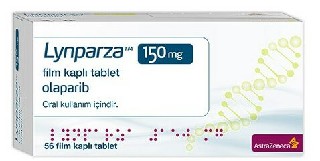
In terms of the applicable population, Lynparza is mainly targeted at patients who carry germline or somatic BRCA mutations, especially those who still relapse or whose disease is poorly controlled after standard treatment. In addition, olaparib may also have good efficacy in some patients with tumors positive for homologous recombination repair deficiency (HRD). Therefore, genetic testing before treatment is a key step in drug decision-making, which can help doctors determine whether the patient is suitable for the drug. At the same time, olaparidol is used for long-term maintenance treatment in the disease control stage, and is suitable for patients whose condition is relatively stable and who tolerate oral drug treatment.
Overall, olaparib has become a BRCAAn important treatment option for patients with mutation-related tumors. Its advantages are that it is convenient to take orally, has accurate efficacy, and relatively controllable side effects. However, it is also necessary to pay attention to common adverse reactions such as nausea, fatigue, anemia, etc. During use, it is recommended to formulate an individualized treatment plan under the guidance of a professional doctor based on genetic test results, disease stage and the patient's overall condition to maximize the efficacy and reduce risks.
Reference materials:https://www.drugs.com/
[ 免责声明 ] 本页面内容来自公开渠道(如FDA官网、Drugs官网、原研药厂官网等),仅供持有医疗专业资质的人员用于医学药学研究参考,不构成任何治疗建议或药品推荐。所涉药品可能未在中国大陆获批上市,不适用于中国境内销售和使用。如需治疗,请咨询正规医疗机构。本站不提供药品销售或代购服务。


