
.jpeg)
Evaluation of the clinical efficacy of Asnib/Asiminib (Sinbel) in the treatment of chronic myelogenous leukemia
Asciminib is a new oral small molecule drug, mainly used for the treatment of patients with chronic myeloid leukemia (CML), especially for patients with chronic myeloid leukemia who are resistant or intolerant to tyrosine kinase inhibitors (TKI). Unlike traditional TKIs, Aceminib achieves selective inhibition by binding to the "thyroid binding pocket" (myristoyl pocket) of the BCR-ABL1 protein, blocking abnormal signaling pathways, inhibiting leukemia cell proliferation, thereby controlling disease progression at the molecular level. The uniqueness of this mechanism gives it obvious advantages in drug-resistant patients and provides new clinical treatment options.
In clinical trials, the ASCEMBL study showed that aceminib was used in patients who had failed two or more TKI treatments
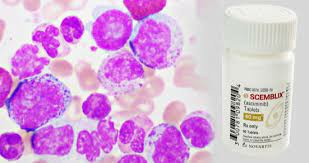
Asnib also showed good safety in terms of tolerability. Clinical data show that the most common side effects include hematological adverse reactions (such as neutropenia, thrombocytopenia) and non-hematological adverse reactions (such as fatigue, musculoskeletal pain, gastrointestinal symptoms). Compared with traditional TKI, aceminib has a lower incidence of cardiotoxicity and liver function damage, and is especially suitable for patients with higher cardiovascular risk or intolerance to other TKI. In addition, through individualized adjustment of dosage, the occurrence of adverse events can be effectively reduced while maintaining efficacy.
Real clinical feedback from patients shows that the oral administration method of aceminib is convenient, patient compliance is high, and most patients can take it regularly for a long time. In addition, some patients' physical strength and quality of life have improved after receiving aceminib treatment, and some patients still maintain stable molecular remission after stopping other TKIs. This not only reflects the efficacy of the drug, but also illustrates its application value in the long-term management of chronic myelogenous leukemia. In summary, aceminib has demonstrated significant clinical efficacy and good safety in the treatment of chronic myelogenous leukemia, providing a new and effective option for patients with drug resistance or intolerance. There is still room for further research in combination therapy and early application in the future.
Reference materials:https://www.drugs.com/
[ 免责声明 ] 本页面内容来自公开渠道(如FDA官网、Drugs官网、原研药厂官网等),仅供持有医疗专业资质的人员用于医学药学研究参考,不构成任何治疗建议或药品推荐。所涉药品可能未在中国大陆获批上市,不适用于中国境内销售和使用。如需治疗,请咨询正规医疗机构。本站不提供药品销售或代购服务。


