
.jpeg)
FDA Approves Updated Indications Statement for Upatinib/Refavi in u200bu200bthe Treatment of Inflammatory Bowel Disease
The U.S. Food and Drug Administration (FDA) approved the updated indications for Upadacitinib (Upadacitinib) in October 2025. This decision marks another important breakthrough for the drug in the treatment of inflammatory bowel disease (IBD). This update comes from the supplemental new drug application submitted by the pharmaceutical company, and the FDA officially approved the new indication range of upadatinib for the treatment of patients with moderately to severely active ulcerative colitis (UC) and Crohn's disease (CD). According to the latest labeling, upadatinib can be used in patients who have received at least one approved systemic therapy if the clinician determines that a tumor necrosis factor (TNF) blocker is not therapeutically appropriate. This means doctors will have more flexible prescribing options when faced with patients who are complex or unresponsive to TNF inhibitors.
Previously, upadacitinib was only approved for the treatment of adult patients who have had an inadequate response to or intolerance to one or moreTNF blockers. This expansion of indications breaks the limitations of traditional treatment and provides the possibility of early intervention for more patients with moderate to severe inflammatory bowel disease. Clinicians can therefore consider using upadatinib earlier in addition to traditional TNF inhibitors, thereby achieving a more individualized and precise treatment strategy. This policy adjustment also reflects the FDA's re-evaluation and affirmation of the role of JAK inhibitor drugs in the management of inflammatory diseases.
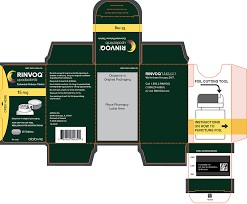
Upatinib is a small molecule Janus kinase (JAK) inhibitor developed byAbbVie. The drug reduces the inflammatory response mediated by the immune system by selectively inhibiting the JAK1 pathway and blocking the signal transmission of multiple pro-inflammatory cytokines. Its mechanism of action involves inhibiting STAT phosphorylation induced by cytokines mediated by JAK1 and JAK1/JAK3, thereby regulating immune imbalance from the source. Unlike traditional immunosuppressive drugs or hormonal treatments, upadatinib can maintain the anti-inflammatory effect while avoiding the systemic side effects of extensive immunosuppression. Because of its precise molecular targeting properties, the drug has become one of the key drugs in the long-term treatment plan for ulcerative colitis and Crohn's disease.
Inflammatory bowel disease is a type of immune-mediated disease characterized by chronic intestinal inflammation, which mainly includes Crohn's disease and ulcerative colitis. Inflammation in Crohn's disease usually involves the ileum and colon, which can lead to abdominal pain, chronic diarrhea, malabsorption of nutrients, and weight loss. Ulcerative colitis, on the other hand, mostly manifests as persistent mucositis starting from the rectum and extending proximally. Patients often experience bloody diarrhea, rectal bleeding, abdominal pain, and urgency to defecate. Although the two diseases differ in lesion location and pathological characteristics, they both originate from abnormal activation of the immune system, leading to repeated damage and repair of the intestinal epithelium. Traditional treatments mostly rely on glucocorticoids, immunomodulators orTNF inhibitors, but some patients do not respond well to these therapies or develop resistance. The introduction of upadatinib provides a new treatment path for such refractory patients.
This timeFDA approval also clarified the safety risks of upadatinib. A black box warning has been added to the drug description, indicating the risk of serious infections, cardiovascular events, malignancies and thrombosis. Especially for patients over 50 years of age who have at least one cardiovascular risk factor, the risk of death may be increased. Other potential adverse reactions include allergic reactions, gastrointestinal perforation, and abnormal laboratory indicators. Therefore, clinicians should conduct strict patient screening and risk assessment when using upadatinib, and regularly monitor liver function, blood routine and infection indicators during treatment to ensure drug safety.
References:https://www.patientcareonline.com/view/fda-approves-updated-indication-statement-for-upadacitinib-in-inflammatory-bowel-disease-treatment
[ 免责声明 ] 本页面内容来自公开渠道(如FDA官网、Drugs官网、原研药厂官网等),仅供持有医疗专业资质的人员用于医学药学研究参考,不构成任何治疗建议或药品推荐。所涉药品可能未在中国大陆获批上市,不适用于中国境内销售和使用。如需治疗,请咨询正规医疗机构。本站不提供药品销售或代购服务。


