
.jpeg)
FDA approves Remibrutinib-RHAPSIDO to treat chronic spontaneous urticaria
The U.S. Food and Drug Administration (FDA) has officially approvedremibrutinib (Remibrutinib)-RHAPSIDO as the first Bruton's tyrosine kinase inhibitor (BTKi) for the treatment of chronic spontaneous urticaria (CSU). This oral therapy, designed for adult patients who are still taking second-generation H1 antihistamines but whose symptoms are not controlled, brings a new twist to the management of CSU. Remibrutinib is taken orally twice daily and does not require injections or laboratory monitoring, providing patients with a more convenient and sustainable treatment option.
Chronic spontaneous urticaria is an immune disease mediated by mast cells, which is characterized by recurring wheals, erythema, and severe itching, often lasting for more than six weeks with no clear trigger. The disease is usually related to immune imbalance, which can lead to abnormal activation of immune cells throughIgE-mediated allergic reactions or IgG-driven autoimmune reactions, ultimately triggering mast cells and basophils to release histamine and inflammatory mediators. Research shows that BTK protein plays a key role in this process, and its activation can lead to the release of excessive inflammatory substances, thereby triggering persistent urticarial reactions and skin inflammation.
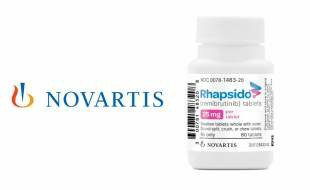
Remibrutinib, as aBTK inhibitor, can effectively intervene in the early stages of the immune response by precisely blocking this signaling pathway, reducing the release of histamine and inflammatory mediators, and relieving itching and rash symptoms from a pathological mechanism. Compared with traditional antihistamine drugs, remibrutinib can directly act on the activation mechanism of immune cells instead of just inhibiting histamine receptors, so it shows a significant improvement in efficacy in patients who are ineffective against antihistamines.
Clinically, CSU is difficult to diagnose, and the average diagnosis time can be as long as two years. Patients' symptoms are often highly uncertain and have a serious impact on daily life, sleep quality and mental health. Although antihistamines are first-line treatment, more than 50% of patients do not respond adequately to them. For this population, currently available injectable therapies, while effective, have low uptake rates and present challenges with accessibility and compliance. The approval of remibrutinib fills this treatment gap, allowing patients to have precise oral management and improve their quality of life.
The FDA's approval was based on the results of two global multi-center Phase III clinical studies - REMIX-1 (NCT05030311) and REMIX-2 (NCT05032157). Both studies included patients with CSU who remained symptomatic despite standard antihistamine treatment. The trial results showed that remibrutinib significantly improved the patients' pruritus score (ISS7), urticaria score (HSS7) and weekly disease activity score (UAS7) at week 12. Compared with the placebo group, patients treated with remibrutinib could observe significant relief at the 2nd week. At the 12th week, approximately one-third of the patients achieved complete no itching and no wheals, significantly improving the disease control rate (UAS7≤6).
In terms of safety, remibrutinib was well tolerated and did not require routine laboratory monitoring. The most common adverse reactions in clinical trials included nasopharyngitis (nasal congestion, sore throat, runny nose), headache, mild bleeding, nausea, and abdominal pain. Most events were mild to moderate and resolved spontaneously. Overall, the safety profile of the drug is consistent with its mechanism of action, and no new serious drug safety signals were found.
Reference materials:https://www.drugs.com/newdrugs/fda-approves-rhapsido-remibrutinib-chronic-spontaneous-urticaria-6630.html
[ 免责声明 ] 本页面内容来自公开渠道(如FDA官网、Drugs官网、原研药厂官网等),仅供持有医疗专业资质的人员用于医学药学研究参考,不构成任何治疗建议或药品推荐。所涉药品可能未在中国大陆获批上市,不适用于中国境内销售和使用。如需治疗,请咨询正规医疗机构。本站不提供药品销售或代购服务。


