
.jpeg)
How to deal with side effects of Cabozantinib
Cabozantinib is a multi-target tyrosine kinase inhibitor that mainly acts on MET, VEGFR2, AXL and other signaling pathways. It is widely used to treat a variety of solid tumors such as advanced renal cell carcinoma (RCC), hepatocellular carcinoma (HCC) and differentiated thyroid cancer (DTC). During long-term treatment, patients often experience some controllable adverse reactions that require close management.
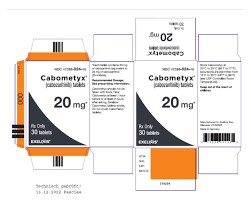
In response to these side effects, a relatively mature set of management strategies has been formed in clinical practice and guidelines. Common side effects include diarrhea, hand-foot syndrome, hypertension, fatigue, stomatitis, and fluctuations in liver function indicators. Mild reactions can usually be alleviated by adjusting diet, fluid replacement, and symptomatic treatment, while moderate and severe reactions require consideration of dose reduction or temporary discontinuation of the drug. Diarrhea is a common problem during cabozantinib treatment. Patients should avoid high-fat and spicy foods and can control it with antidiarrheal drugs.
The occurrence of hand-foot syndrome is related to skin friction and drug accumulation. It is necessary to keep the skin moist, reduce mechanical stimulation, and use skin care cream for care. If symptoms are obvious, medication can be temporarily suspended until the skin lesions improve. Hypertension often appears early in treatment, and blood pressure should be monitored regularly and antihypertensive drugs should be used as needed to maintain stability. For mucosal reactions such as stomatitis, topical mouthwashes and anti-inflammatory drugs can be used to relieve discomfort. If liver function indicators increase, it is necessary to monitor transaminase levels and adjust the dose or suspend treatment in a timely manner.
Overall, the adverse reactions of cabozantinib are reversible and controllable. The key lies in early identification, individualized intervention and doctor-patient communication. In clinical practice, dose reduction is usually used to maintain the balance between efficacy and safety, rather than discontinuing the drug directly. In addition, patients should maintain adequate fluid intake, maintain a reasonable daily routine, and avoid taking other drugs with potential metabolic competition. It can be seen that scientific side effects management can not only improve patient tolerance, but also help extend the treatment cycle and improve prognosis.
Reference:https://en.wikipedia.org/wiki/Cabozantinib
[ 免责声明 ] 本页面内容来自公开渠道(如FDA官网、Drugs官网、原研药厂官网等),仅供持有医疗专业资质的人员用于医学药学研究参考,不构成任何治疗建议或药品推荐。所涉药品可能未在中国大陆获批上市,不适用于中国境内销售和使用。如需治疗,请咨询正规医疗机构。本站不提供药品销售或代购服务。


