
.jpeg)
Cabozantinib belongs to several generations of targeted drugs
Cabozantinib is generally classified as a second-generation or even multi-target tyrosine kinase inhibitor (TKI). It is not an early-stage drug with a single target in the traditional sense, but a new generation of precision anti-cancer drugs developed based on an in-depth understanding of the multi-pathway driving mechanism of tumors. Compared with the first-generation TKIs that mainly target a single signaling pathway (such as EGFR or VEGFR), cabozantinib has a more complex structural design and can simultaneously inhibit multiple key targets related to tumor invasion, angiogenesis, and drug resistance such as MET, VEGFR2, AXL, and RET, thus performing outstandingly in overcoming drug resistance and delaying tumor progression.
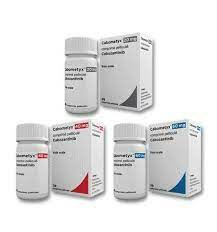
Itsits "multi-target, broad-spectrum inhibition" characteristics make it one of the most representative compound targeted drugs in modern anti-cancer treatment. Especially in renal cell carcinoma and hepatocellular carcinoma, cabozantinib exhibits a better long-term control rate than traditional TKIs, which is related to its dual inhibition of the tumor microenvironment and angiogenesis pathway. From the perspective of pharmacological evolution, the first-generation TKIs mostly focus on single-target high selectivity. For example, Sorafenib mainly targets VEGFR, while Cabozantinib enhances the anti-drug potential by expanding the target range, marking the stage of targeted therapy moving from "single-target precision" to "multi-pathway integration".
It is also regarded as a "new generation multi-target TKI" or "second generation MET/VEGFR inhibitor" in the literature, emphasizing its application value in overcoming cancer heterogeneity and immune microenvironment tolerance. Currently, researchers are exploring new directions for the combined use of cabozantinib and immune checkpoint inhibitors. This trend further highlights its transitional status in the tumor treatment system.
In summary, cabozantinib is a second-generation multi-target targeted drug. Its emergence has promoted the transformation of the treatment of renal cell carcinoma (RCC), hepatocellular carcinoma (HCC) and differentiated thyroid cancer (DTC) from unidirectional blocking to systemic regulation, providing more forward-looking treatment options for a variety of solid tumors and providing an example for the development of future anti-cancer drugs.
Reference:https://en.wikipedia.org/wiki/Cabozantinib
[ 免责声明 ] 本页面内容来自公开渠道(如FDA官网、Drugs官网、原研药厂官网等),仅供持有医疗专业资质的人员用于医学药学研究参考,不构成任何治疗建议或药品推荐。所涉药品可能未在中国大陆获批上市,不适用于中国境内销售和使用。如需治疗,请咨询正规医疗机构。本站不提供药品销售或代购服务。


