
.jpeg)
Are the side effects of Upatinib/Ruifu Tablets serious and how to deal with them?
Upadacitinib (Upadacitinib), as a selective JAK1 inhibitor, is known for its high targeting and good clinical tolerance, but it may still cause a series of mild to moderate adverse reactions during the process of regulating the immune system. Common side effects include upper respiratory tract infection, headache, nausea, abdominal pain, elevated blood lipids, mild liver enzyme abnormalities, etc. Most of these symptoms appear early in treatment and are usually controllable and reversible pharmacological reactions that gradually ease as the body adapts. Some patients may develop infectious symptoms such as herpes zoster, sinusitis, and sore throat. This is due to a slight decrease in immune response caused by inhibition of JAK1 signaling.
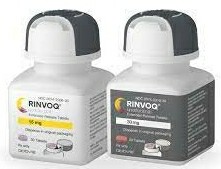
In patients with skin diseases such as atopic dermatitis or psoriatic arthritis, individual cases have reported acne-like rash, itching or local desquamation, but most of them are mild reactions and can be relieved without stopping the drug. Long-term users should pay special attention to blood lipids and liver enzyme levels. If there is a significant increase, the dosage can be adjusted under the guidance of a doctor or combined with lipid-lowering treatment. Patients with intestinal inflammation such as ulcerative colitis and Crohn's disease may occasionally experience diarrhea, mild stomach pain or fatigue. Most of these discomforts are short-lived reactions and tend to stabilize after a few days.
Rare risks that require careful monitoring include serious infections (such as pneumonia, tuberculosis reactivation), venous thrombosis, and cardiovascular events, especially in patients who are elderly or have chronic diseases. To reduce risk, tuberculosis screening, liver function testing, and infection risk assessment should be performed before treatment, and concomitant use with other strong immunosuppressants should be avoided. If the patient develops persistent fever, difficulty breathing, or worsening rash, he should seek medical treatment promptly and suspend medication until the doctor confirms it is safe before resuming treatment.
Overall, the side effects of upadatinib are generally controllable, and its safety has been verified in multiple long-term studies. With management, regular monitoring, and compliance with physician guidance, the vast majority of patients can achieve significant results while minimizing adverse effects.
Reference materials:https://www.rinvoq.com/
[ 免责声明 ] 本页面内容来自公开渠道(如FDA官网、Drugs官网、原研药厂官网等),仅供持有医疗专业资质的人员用于医学药学研究参考,不构成任何治疗建议或药品推荐。所涉药品可能未在中国大陆获批上市,不适用于中国境内销售和使用。如需治疗,请咨询正规医疗机构。本站不提供药品销售或代购服务。


