
.jpeg)
What are the side effects of long-term use of Stiripentol?
Stiripentol is an anti-epileptic drug specially used to treat Dravet syndrome (also known as severe myoclonic epilepsy in infants). It is often used in combination with drugs such as clobazam or sodium valproate. Because of its unique mechanism of action, it can enhance the neuroinhibitory effect of gamma-aminobutyric acid (GABA), thereby reducing the frequency of epileptic seizures. Therefore, it is considered an important auxiliary drug for refractory epilepsy. However, if you take it for a long time, you still need to pay close attention to possible adverse reactions and changes in tolerance.
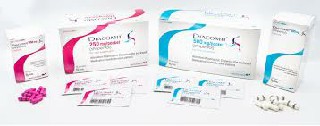
Central nervous system reactions are one of the most common adverse manifestations during long-term medication. Some patients may experience symptoms such as drowsiness, dizziness, decreased concentration, or ataxia, which are usually related to excessive dosage or concomitant use of other sedative antiepileptic drugs. Individual patients may also experience sluggish behavior and slower reactions, especially in children. Doctors often recommend titrating doses or reducing the amount of other drugs used in combination therapy to reduce nervous system depression.
Gastrointestinal discomfort is also a common side effect. These include loss of appetite, nausea, vomiting, bloating or diarrhea. Most of these symptoms are mild to moderate. They are usually more obvious at the beginning of taking the medicine and will gradually ease as the body adapts. If significant weight loss or malnutrition occurs, dietary modification or dose reduction should be considered.
Metabolic and liver function effects are also noteworthy during long-term treatment. Stipentol may affect the metabolism of other drugs by inhibiting the hepatic cytochrome P450 enzyme system, leading to an increase in the blood concentration of clobazam or sodium valproate, and indirectly increasing the risk of adverse reactions such as drowsiness and hypotonia. Therefore, doctors usually recommend regular monitoring of liver function and blood drug concentrations to avoid drug accumulation or liver toxicity.
In addition, a small number of patients may develop hypotonia, ataxia or tremor. Most of these movement disorders are reversible phenomena and can gradually recover after stopping the drug or reducing the dose. During long-term use, family members should pay attention to the patient's movement coordination and gait changes, and seek medical attention promptly if any obvious abnormalities occur.
Reference materials:https://www.diacomit.com/
[ 免责声明 ] 本页面内容来自公开渠道(如FDA官网、Drugs官网、原研药厂官网等),仅供持有医疗专业资质的人员用于医学药学研究参考,不构成任何治疗建议或药品推荐。所涉药品可能未在中国大陆获批上市,不适用于中国境内销售和使用。如需治疗,请咨询正规医疗机构。本站不提供药品销售或代购服务。


