
.jpeg)
Analysis of the latest official instructions for Inavolisib
1. Common name: Inavolisib,Inavolisib
Product name: IHELA/ITOVEBI
Other names: Inalisate tablets
2. Indications
Inavolisib is suitable for use in combination with Palbociclib and Fulvestrant. Indicated for the treatment of adult patients with endocrine-resistant, PIK3CA-mutated, hormone receptor (HR)-positive, human epidermal growth factor receptor 2 (HER2)-negative, locally advanced or metastatic breast cancer detected by an FDA-approved test, who have relapsed on or after completion of adjuvant endocrine therapy.
3. Usage and dosage management
1. Preparation before treatment: Before starting treatment, the presence of PIK3CA mutation should be confirmed through plasma samples. During treatment, fasting blood glucose and glycated hemoglobin (HbA1C) levels need to be monitored regularly to avoid the risk of hyperglycemia.
2. Recommended dose: Inalised is administered in the form of oral tablets. The standard dose is 9 mg once a day. It can be taken with or without meals until the disease progresses or the adverse reactions are intolerable.
Combined medication regimen: The recommended dose of palbociclib combined with inaliset is 125mg daily. It is taken for 21 days and then stopped for 7 days, forming a 28-day treatment cycle. Fulvestrant is used according to the standard intramuscular injection regimen.
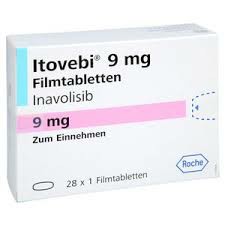
3. Precautions for taking medication: The tablet should be swallowed whole at a fixed time every day and should not be crushed or chewed. If a dose is missed, it should be taken within 9 hours; if it exceeds 9 hours, skip it and continue with the next dose at the normal time. If vomiting occurs, no additional dose is required.
4. Dose adjustment: When adverse reactions occur, suspension or dose reduction may be considered. Reduce the dose to 6 mg/day for the first time, and further reduce it to 3 mg/day if you are still intolerant. The recommended starting dose for patients with moderate renal impairment is 6 mg/day.
4. Adverse reactions and treatment principles
Clinical studies have shown that common adverse reactions during treatment with inaliside include hematological and metabolic abnormalities, such as neutropenia, hemoglobin decrease, blood sugar increase, and electrolyte imbalance. In addition, patients may also experience stomatitis, diarrhea, rash, fatigue, nausea, and mildly elevated liver function indicators. These reactions are mostly reversible and can usually be reversed through dose adjustment, short-term drug withdrawal, or symptomatic and supportive treatment. Clinically, focus should be placed on monitoring blood sugar, electrolytes, and liver and kidney function indicators to facilitate timely intervention. For patients who experience grade three or above adverse reactions, treatment can be temporarily interrupted and the dose can be reduced and restarted after recovery.
5. Storage and supply specifications
Inariset is currently available in two sizes: 3mg and 9mg, with each box containing 28 tablets. Medicinal products should be stored at room temperature between 20°C and 25°C, with short-term fluctuations between 15°C and 30°C allowed. Keep dry and out of direct sunlight to ensure consistent efficacy.
6. Mechanism of action and pharmacological characteristics
Inaliset is a selective phosphatidylinositol3-kinase (PI3K) α subtype inhibitor. Its main mechanism of action is to target the abnormal activation of the PI3K pathway caused by PIK3CA gene mutations. This pathway is an important signaling axis for breast cancer cell proliferation and resistance to apoptosis. Inaliset induces the degradation of the mutated PI3Kα catalytic subunit p110α, thereby blocking the phosphorylation of downstream AKT signals, inhibiting tumor cell growth and inducing apoptosis. In animal experiments, inaliset can inhibit tumor growth in PIK3CA-mutated, ER-positive breast cancer xenograft models.
When inaliset is used in combination with palbociclib and fulvestrant, the combined effect is better than that of single drug or double drug combination, showing stronger tumor inhibitory activity. This multi-target combination treatment strategy can not only inhibit cancer cell proliferation signals, but also block cell cycle and hormone-dependent pathways, providing more durable control effects for drug-resistant breast cancer patients.
Reference materials:https://www.itovebi-hcp.com/
[ 免责声明 ] 本页面内容来自公开渠道(如FDA官网、Drugs官网、原研药厂官网等),仅供持有医疗专业资质的人员用于医学药学研究参考,不构成任何治疗建议或药品推荐。所涉药品可能未在中国大陆获批上市,不适用于中国境内销售和使用。如需治疗,请咨询正规医疗机构。本站不提供药品销售或代购服务。


