
.jpeg)
Analysis of differences in efficacy of capmatinib (Touradda) on different types of MET gene mutations
Capmatinib (capmatinib) is a targeted drug targeting MET exon 14 skipping mutations and MET amplification-positive tumors. Clinical studies have shown that different types of MET gene mutations have certain differences in the efficacy of capmatinib. In patients with METexon14 skipping mutations, capmatinib showed a higher objective response rate (O RR) and progression-free survival (PFS). Many patients can observe tumor volume reduction and symptom improvement in the early stages of treatment. Such patients are usually ideal for capmatinib treatment.
For MET amplified patients, the efficacy is affected by the level of amplification. The study found that patients with higher MET gene copy numbers (high amplification) responded better to capmatinib, while patients with low copy amplification had relatively limited efficacy. This suggests that in clinical practice, quantitative testing of patients with MET gene amplification can help determine the potential efficacy of capmatinib, thereby providing a basis for precise treatment. The patient's previous treatment history, tumor burden, and combined mutation types may also affect drug efficacy.
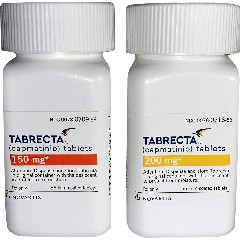
In addition, different tumor types have different responses to capmatinib. In patients with non-small cell lung cancer (NSCLC), METexon14The response rate and survival benefit are the most obvious in patients with >skipping mutations; in other tumors such as gastric cancer, liver cancer or esophageal cancer, the efficacy in patients with MET mutations is relatively low, which suggests that the clinical application advantages of capmatinib in lung cancer are more prominent. For different tumor types, individualized treatment course adjustment and efficacy evaluation are critical.
In general, capmatinib has an effect onMETexon14Patients with skipping mutations have the best effect, and it also has a significant effect on patients with high levels of MET amplification. However, patients with low amplification or other types of MET mutations have a limited response. Clinically, a personalized medication plan should be developed based on the genetic test results, the patient's specific condition and previous treatment experience, and the efficacy should be monitored through imaging and molecular markers during the treatment process to optimize the medication effect and improve patient benefits.
Reference materials:https://www.drugs.com/
[ 免责声明 ] 本页面内容来自公开渠道(如FDA官网、Drugs官网、原研药厂官网等),仅供持有医疗专业资质的人员用于医学药学研究参考,不构成任何治疗建议或药品推荐。所涉药品可能未在中国大陆获批上市,不适用于中国境内销售和使用。如需治疗,请咨询正规医疗机构。本站不提供药品销售或代购服务。


