
.jpeg)
Afatinib approval and marketing status and domestic usage guidelines
Afatinib is a second-generation EGFR tyrosine kinase inhibitor mainly used to treat EGFR mutation-positive non-small cell lung cancer (NSCLC). In China, afatinib has been approved for marketing by the National Medical Products Administration (NMPA) and has been included in the medical insurance directory, becoming one of the targeted therapeutic drugs available to patients in clinical practice. Its approval for marketing not only provides more treatment options for domestic patients, but also promotes the promotion and application of targeted therapy in non-small cell lung cancer.
In the domestic usage guidelines, afatinib is mainly suitable for patients with EGFR sensitive mutation-positive advanced or metastatic non-small cell lung cancer. The generally recommended starting dose is 40 mg orally once daily, and the dose can be adjusted according to the patient's tolerance. For elderly patients or patients with liver and kidney dysfunction, doctors will conduct an evaluation before taking the drug and develop an appropriate dosage plan based on the individual situation to ensure the efficacy and safety of the drug.
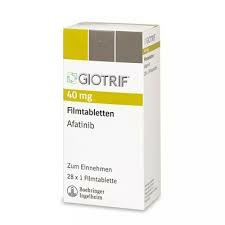
Regarding price, afatinib, which is marketed in China, has been included in medical insurance, and the actual cost for patients to purchase the drug will vary according to local medical insurance policies. It is usually purchased in hospital pharmacies, and the price per box is about more than 5,000 yuan. You can consult the hospital pharmacy for specific costs. In foreign markets, afatinib is divided into two options: original drug and generic drug. The price of the original version in India is about more than 5,000 yuan, while the generic version is more economical. The price of the Indian, Laos and Bangladesh versions ranges from a few hundred to more than 2,000 yuan, but the drug ingredients are basically the same as the original drug and the efficacy is similar.
In actual clinical use, patients should regularly undergo routine blood tests, liver and kidney function and electrocardiogram tests while taking afatinib, and promptly detect and deal with potential adverse reactions, such as rash, diarrhea or stomatitis. In addition, patients must strictly follow the doctor's instructions when taking medication and are not allowed to adjust the dosage or stop medication on their own to ensure efficacy and medication safety. For the specific details of the medical insurance reimbursement policy, patients can consult their hospital or medical insurance department to reasonably arrange medication and financial burden.
Reference materials:https://www.drugs.com/
[ 免责声明 ] 本页面内容来自公开渠道(如FDA官网、Drugs官网、原研药厂官网等),仅供持有医疗专业资质的人员用于医学药学研究参考,不构成任何治疗建议或药品推荐。所涉药品可能未在中国大陆获批上市,不适用于中国境内销售和使用。如需治疗,请咨询正规医疗机构。本站不提供药品销售或代购服务。


