
.jpeg)
How long does a course of rubitin/rubicatin (Zanbiga) take and what precautions should be taken
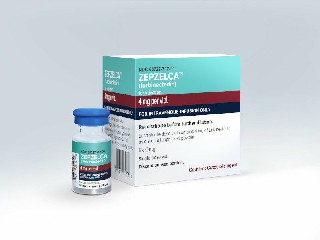
Lurbinectedin (Lurbinectedin) is an anti-cancer drug used to treat small cell lung cancer and some other solid tumors. Its dosage regimen is generally intravenous injection. The standard course of treatment is usually once every 3 weeks. Each dose is calculated based on the patient's body surface area (BSA). A common dose is 3.2 mg/m². A complete course of treatment usually includes multiple cycles, and the specific course length needs to be determined by the attending physician based on the patient's condition, tolerance, and efficacy evaluation results.
Before the start of each course of treatment, patients need to undergo comprehensive hematology tests, including white blood cells, platelets and hemoglobin levels, to ensure that the patient has sufficient hematopoietic function to withstand chemotherapy. In addition, liver function and renal function need to be evaluated, because rubicatin is mainly metabolized by the liver, and abnormal liver function may increase the risk of drug toxicity. If the test indicators are abnormal, the doctor may delay the administration or adjust the dosage to ensure the safety of treatment.
During the treatment process, patients should pay close attention to and promptly report possible adverse reactions, such as the risk of infection caused by bone marrow suppression, nausea, vomiting, fatigue and other symptoms. Doctors usually provide supportive treatment measures when necessary, including anti-infective drugs, antiemetic drugs and hematopoietic support treatment, etc., to reduce the impact of adverse events on the course of treatment.
In addition, patients should avoid concurrent use of drugs that put a greater burden on the liver during rubicatin treatment, and maintain a good daily routine and dietary habits to improve efficacy and tolerance. After completing one or two courses of treatment, the doctor will evaluate the efficacy of the drug through imaging examinations and laboratory indicators, and decide whether to continue the current course of treatment, adjust the dose, or change the treatment plan.
Reference materials:https://www.drugs.com/
[ 免责声明 ] 本页面内容来自公开渠道(如FDA官网、Drugs官网、原研药厂官网等),仅供持有医疗专业资质的人员用于医学药学研究参考,不构成任何治疗建议或药品推荐。所涉药品可能未在中国大陆获批上市,不适用于中国境内销售和使用。如需治疗,请咨询正规医疗机构。本站不提供药品销售或代购服务。


