
.jpeg)
Is it necessary to continue taking Roaccutane (isotretinoin) after taking it and what are the nursing care recommendations for discontinuing the drug?
Roaccutane (Isotretinoin) is an oral drug for severe acne and some skin diseases. Its mechanism of action is mainly to improve skin condition by inhibiting sebaceous gland secretion, reducing sebum volume and anti-inflammatory effects. Patients usually see significant improvement in skin symptoms while taking Roaccutane, but the drug is not a one-time cure and requires a complete course of treatment following the guidance of a doctor.
As to whether continuous medication is necessary, Roaccutane generally has a fixed treatment schedule, usually 16 to 24 weeks (approximately 4 to 6 months). The specific treatment course is adjusted according to the patient's weight, disease severity and tolerance. After completing the course of treatment, if the skin condition is stable and acne is significantly reduced, the medication can generally be stopped without long-term use. Long-term use may increase the risk of side effects, such as abnormal liver function, elevated blood lipids, sicca symptoms, etc. Therefore, it is not recommended to extend the medication time at will.
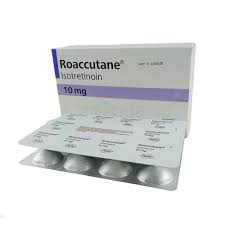
Patients still need nursing care after discontinuation of medication. First, keep your skin well cleansed and moisturized, and avoid using irritating skin care products. Secondly, regular follow-up with a dermatologist is required to monitor skin status and blood indicators, especially liver function and blood lipid levels. For some patients who may relapse, doctors may recommend local treatment or short-term adjuvant medication according to the condition to maintain the curative effect.
In addition, attention should also be paid to lifestyle and dietary adjustments during drug withdrawal. Avoiding bad lifestyle habits such as high-sugar and high-fat diets and staying up late can reduce the risk of acne recurrence. For female patients, strict contraceptive measures should be taken. Because isotretinoin Aacid has significant teratogenicity, pregnancy still needs to be prevented for a period of time even after the drug is stopped. Taken together, reasonable care and follow-up management after Roaccutane is discontinued are of great significance for maintaining efficacy, reducing the risk of recurrence, and ensuring medication safety.
Reference materials:https://www.drugs.com/
[ 免责声明 ] 本页面内容来自公开渠道(如FDA官网、Drugs官网、原研药厂官网等),仅供持有医疗专业资质的人员用于医学药学研究参考,不构成任何治疗建议或药品推荐。所涉药品可能未在中国大陆获批上市,不适用于中国境内销售和使用。如需治疗,请咨询正规医疗机构。本站不提供药品销售或代购服务。


