
.jpeg)
Which one is better, Lemborexant or DaliRasen?
Lemborexant and dalirasant are both "dual orexin receptor antagonists" (DORA). This class of drugs reduces the drive to wake up by intercepting the orexin signal that keeps people awake, thereby promoting sleep and reducing nighttime awakenings. Unlike traditional GABA hypnotics, DORA aims to restore the physiological balance of the sleep-wake system, and theoretically has a lower risk of dependence and withdrawal rebound. This is the starting point when comparing the two: they belong to the same pharmacological family, but the molecular properties, dose range and performance on key outcomes (sleep onset, maintenance, daytime function) are not identical.
From the perspective of nighttime sleep improvement, Lebraxant has shown significant improvements in sleep onset latency and sleep maintenance endpoints in multiple phase III studies. Its long-term follow-up in the elderly population also supports the sustainability of the efficacy. Therefore, the evidence for improving objective and subjective sleep quality is relatively solid. DaliRasen also demonstrated improvements in sleep onset and total sleep time in Phase III trials, and had clear benefit signals on daytime functions (such as fatigue, concentration, daytime sleepiness) at higher doses. This was also a point particularly emphasized in the approval document for DaliRasen. To put it simply, there is sufficient evidence for Lebrasen on the endpoint of nighttime sleep, while DaliRasen is unique in the compound benefit of "nighttime + daytime function".
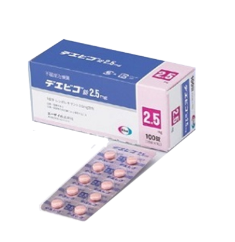
In terms of tolerability and safety, both drugs have common central nervous system-related adverse reactions such as dizziness, drowsiness and fatigue; individual differences make some patients have a stronger residual feeling of one drug the next day. Indirect comparison studies suggest that leboramex may be slightly superior in terms of efficacy indicators, while daliramisen may be more advantageous in terms of tolerability or improvement in patients' subjective daytime function; however, it should be noted that such conclusions are mostly derived from network meta- or indirect head-to-head trials, and there is the possibility of heterogeneity and bias. Therefore, one-size-fits-all judgments cannot be made simply on the basis of "who is better." In other words, the evidence shows that "the difference exists but is not huge" and the choice should be based on the patient's main symptoms and risk preference.
In clinical practice, the decision-making points for drug selection include: whether the patient's main problem is difficulty falling asleep or repeated awakenings at night, whether there is daytime dysfunction, age (the elderly are sensitive to next-day cognition and fall risk), liver and kidney function and concomitant medications (interactions related toCYP metabolism), and whether there is a history of psychosis or suicide risk. If the patient mainly has difficulty falling asleep and needs to maintain the integrity of the sleep structure for a long time, leboresen (commonly used starting dose is 5 mg and can be increased to 10 mg) is the reasonable first choice; if the patient has significant cognitive or energy impairment during the day and hopes that the drug will also improve daytime performance, dalilasen (common dose 25-50 mg) has more direct evidence to support daytime outcomes at high doses. Regardless of which option you choose, sleep questionnaires and possible next-day effects should be closely evaluated within weeks of initiation, and a decision should be made within months whether to continue or adjust the program.
The last thing to emphasize is behavioral therapy (CBT-I) is still the first-line long-term management strategy for insomnia. DORA drugs should be used as a short- and medium-term supplement for symptoms or as a timely alternative when CBT-I is not available. For clinicians, the ideal approach is to use drugs as "tools for functional recovery", combine them with lifestyle and sleep hygiene education, and then decide on long-term plans after evaluating efficacy and safety step by step.
Reference materials:https://medlineplus.gov/druginfo/meds/a620039.html
[ 免责声明 ] 本页面内容来自公开渠道(如FDA官网、Drugs官网、原研药厂官网等),仅供持有医疗专业资质的人员用于医学药学研究参考,不构成任何治疗建议或药品推荐。所涉药品可能未在中国大陆获批上市,不适用于中国境内销售和使用。如需治疗,请咨询正规医疗机构。本站不提供药品销售或代购服务。


