
.jpeg)
Analysis of the core points of the instructions for Entacapone/Kedan
1. Description of indications
Entacapone (Entacapone) is suitable for patients with Parkinson's disease whose treatment with levodopa/carbidopa or levodopa/benserazide is insufficient and suffers from "end-of-dose effect". When levodopa alone is not well controlled and motor symptoms fluctuate repeatedly between treatments, entacapone can reduce the metabolism of levodopa into the ineffective metabolite 3-O-methyldopa by inhibiting the peripheral COMT enzyme, thereby increasing the blood concentration of levodopa, increasing the proportion of it entering the central nervous system, and prolonging the duration of the drug's effect. Clinical studies have shown that the addition of entacapone can effectively prolong the "on period" by about 16%, shorten the "off period" by about 24%, and improve symptoms such as bradykinesia, stiffness, and tremor.
2. Recommended dosage and usage points
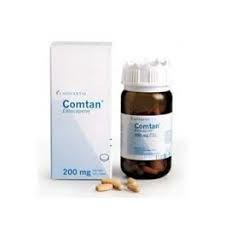
Entacapone is an oral preparation, and each tablet contains200mg of active ingredient. It should be taken with each dose of levodopa/carbidopa or levodopa/benserazide, 1 tablet each time. The maximum recommended dose is 10 times a day, which means the total daily dose does not exceed 2000mg. The medication can be taken with food to reduce gastrointestinal discomfort. If you miss a dose, you should take it the next time you take the medicine. Do not take it twice at once. Due to the short half-life of drugs, regular medication is the key to ensuring efficacy. For elderly patients or those with mild hepatic impairment, there is generally no need to adjust the dosage, but adverse reactions should be closely monitored.
In clinical practice, in the early stage of combined medication, dyskinesia may worsen due to the enhanced efficacy of levodopa. Physicians can moderately lower the dose of levodopa to restore balance. If patients receive dopamine agonists or anticholinergics concomitantly, the risk of interaction and additive central side effects should be noted.
3. Common adverse reactions and coping strategies
Common adverse reactions to entacapone include dyskinesia, nausea, changes in urine color, diarrhea, dizziness, and drowsiness. Among them, the occurrence of dyskinesia is mainly related to the enhanced effect of levodopa, which can be alleviated by adjusting the dose of levodopa. Nausea is usually mild to moderate and can be taken after meals or combined with antiemetics for a short period of time. Discoloration of urine (reddish-brown or orange) is a harmless phenomenon caused by drug metabolites, and patients can be informed in advance to avoid misunderstandings.
Diarrhea is one of the more typical adverse reactions of entacapone. If the symptoms are obvious, discontinuation of the drug and supportive treatment should be considered. Individual patients may experience orthostatic hypotension, fatigue, or psychiatric symptoms. Blood pressure changes should be monitored and sudden discontinuation of medication should be avoided. A very small number of patients may develop drowsiness or impulse control disorders and need to be evaluated by a doctor to decide whether to continue using it.
4. Pharmacological mechanism and clinical significance
The pharmacological core of entacapone is to selectively inhibit peripheral COMT enzyme activity. COMT enzyme is widely distributed in peripheral tissues and red blood cells and is involved in the metabolism of dopamine and its precursors. Entacapone blocks this metabolic pathway through reversible binding, allowing more levodopa to enter the central nervous system, thereby maintaining a more stable dopamine level.
The significance of this mechanism is that it does not directly stimulate dopamine receptors and does not cross the blood-brain barrier, thus reducing the risk of central adverse reactions. Compared with the traditional method of increasing the dose of levodopa, combining entacapone can prolong the curative effect without significantly increasing the side effects, and is one of the key means to optimize the treatment plan for Parkinson's disease.
5. Storage conditions and medication safety
Entacapone should be stored at room temperature (10–30°C), away from direct sunlight and humid environments, to prevent drug degradation. Medications should be kept out of the reach of children to prevent accidental ingestion. Patients should follow the physician's guidance during medication and avoid adjusting the dose on their own or suddenly stopping the medication to avoid worsening of the "off period" or rebound dyskinesia.
Reference materials:https://www.drugs.com/mtm/comtan.html
[ 免责声明 ] 本页面内容来自公开渠道(如FDA官网、Drugs官网、原研药厂官网等),仅供持有医疗专业资质的人员用于医学药学研究参考,不构成任何治疗建议或药品推荐。所涉药品可能未在中国大陆获批上市,不适用于中国境内销售和使用。如需治疗,请咨询正规医疗机构。本站不提供药品销售或代购服务。


