
.jpeg)
Lapatinib/Talisat belongs to which generation of targeted drugs
Lapatinib (Lapatinib) belongs to the second generation tyrosine kinase inhibitor (TKI). Its main target is the intracellular tyrosine kinase domain of HER2 (ErbB2) and EGFR (ErbB1) receptors. Unlike first-generation targeted drugs such as Trastuzumab, which are mainly monoclonal antibodies that block signaling pathways by binding to the extracellular structure of the receptor, lapatinib, as a small molecule drug, can be administered orally and enter cells to directly inhibit receptor tyrosine kinase activity, thus blocking the downstream MAPK and PI3K-AKT signaling pathways, inhibiting tumor cell proliferation and inducing apoptosis.
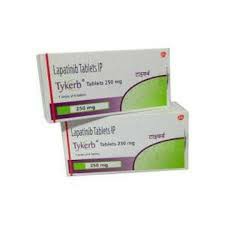
The second generation of targeted drugs is characterized by oral convenience and multi-target effects, and can overcome some drug resistance problems. For example, in patients with trastuzumab-resistant HER2-positive breast cancer, lapatinib can still maintain effective signaling inhibition, thereby extending progression-free survival. In addition, lapatinib can be used in combination with trastuzumab to improve the anti-tumor efficacy through dual extracellular and intracellular inhibition mechanisms, showing a synergistic effect.
In clinical application, lapatinib is often used for advanced or metastatic HER2-positive breast cancer , especially for patients with trastuzumab resistance or recurrence. Overseas research shows that its second-generation small molecule mechanism can improve the convenience of oral treatment for patients while maintaining efficacy, avoid the inconvenience associated with intravenous infusion, and can effectively reduce the risk of tumor progression in combination regimens. Its multi-target effect allows it to not only target the HER2 signaling pathway, but also inhibit EGFR-related signals to a certain extent, thus increasing the breadth of treatment.
In general, lapatinib, as a second-generation oral small molecule tyrosine kinase inhibitor, achieves effective blocking of intracellular and extracellular signals by targeting the intracellular tyrosine kinases of HER2 and EGFR. Compared with the first-generation monoclonal antibodies, it has the advantages of oral convenience, multi-target effects and the ability to overcome some drug resistance, making it an important treatment option for patients with HER2-positive breast cancer recurrence or metastasis.
Reference materials:https://medlineplus.gov/druginfo/meds/a607055.html
[ 免责声明 ] 本页面内容来自公开渠道(如FDA官网、Drugs官网、原研药厂官网等),仅供持有医疗专业资质的人员用于医学药学研究参考,不构成任何治疗建议或药品推荐。所涉药品可能未在中国大陆获批上市,不适用于中国境内销售和使用。如需治疗,请咨询正规医疗机构。本站不提供药品销售或代购服务。


