
.jpeg)
The efficacy and functions of pomalidomide capsules
Pomalidomide capsules are a new generation immunomodulator (IMiD) mainly used to treat relapsed or refractory multiple myeloma (MM) and certain hematological malignancies. As a thiazole riboside analogue, pomalidomide is structurally similar to Lenalidomide and Thalidomide, but has significantly improved efficacy and immunomodulatory capabilities, giving it unique advantages in the treatment of multiple myeloma. Its core efficacy is to inhibit tumor cell growth, enhance immune response, and regulate the tumor microenvironment through multiple mechanisms, thereby improving patients' treatment response and survival expectations.
The anti-tumor effects of pomalidomide mainly include direct anti-proliferation and induction of tumor cell apoptosis. It can interfere with the internal signaling pathways of multiple myeloma cells, such as by regulating the expression of transcription factors and pro-apoptotic proteins, promoting programmed death of tumor cells. In addition, pomalidomide can inhibit tumor-related angiogenesis and block the supply of the vascular network that myeloma cells rely on, thereby limiting the source of tumor nutrition. This dual mechanism allows pomalidomide to exert significant efficacy in monotherapy or combination chemotherapy regimens, especially for relapsed patients who are resistant to traditional chemotherapy or other immunomodulators.
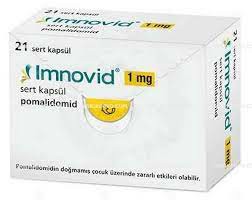
In addition, pomalidomide has significant immunomodulatory functions. It can enhance the activity of T cells and natural killer (NK) cells, and improve the body's immune recognition and clearance capabilities against tumors. This effect not only enhances the anti-tumor effect of the drug, but also improves the bone marrow microenvironment, making tumor cells more vulnerable to immune system attack. At the same time, pomalidomide can also regulate myeloma-related cytokines, such as inhibiting the secretion of IL-6 and TNF-α, thereby reducing the tumor-promoting inflammatory response and providing dual protection for treatment. This multi-target, multi-pathway action feature enables pomalidomide to show high efficacy and clinical feasibility in relapsed or refractory patients.
In terms of clinical application, pomalidomide capsules are often used in combination with low-dose dexamethasone to form a standardized combination regimen to optimize efficacy. Overseas clinical studies have shown that combination therapy can significantly improve progression-free survival and overall response rate, while still maintaining a certain therapeutic effect in drug-resistant or relapsed patients. Due to its immunomodulatory properties, pomalidomide can also improve myelosuppression in some patients and reduce the incidence of chemotherapy-related side effects, thereby improving patient quality of life and treatment compliance.
Pharmacological studies have shown that pomalidomide is well absorbed after oral administration, has high bioavailability, and can reach effective concentrations in the blood. Its metabolism mainly relies on the liver CYP enzyme system, so the dose needs to be adjusted in patients with combined medications or abnormal liver function to prevent the accumulation of side effects. The safety of pomalidomide is relatively controllable. By standardizing the dosage and regularly monitoring blood routine and liver and kidney function, most adverse reactions can be discovered and dealt with in time.
Reference materials:https://en.wikipedia.org/wiki/Pomalidomide
[ 免责声明 ] 本页面内容来自公开渠道(如FDA官网、Drugs官网、原研药厂官网等),仅供持有医疗专业资质的人员用于医学药学研究参考,不构成任何治疗建议或药品推荐。所涉药品可能未在中国大陆获批上市,不适用于中国境内销售和使用。如需治疗,请咨询正规医疗机构。本站不提供药品销售或代购服务。


