
.jpeg)
How does filgotinib work and how does it work?
Filgotinib (Filgotinib) is an oral selective JAK1 inhibitor, mainly used to treat autoimmune diseases such as moderately to severely active rheumatoid arthritis (RA) and ulcerative colitis. Its principle of action is based on the precise regulation of immune signaling pathways, and it is a new oral drug for targeted therapy. Under pathological conditions, the immune system in patients with rheumatoid arthritis and ulcerative colitis is overactivated, and pro-inflammatory cytokines such as IL-6, TNF-α, IL-2, etc. are released in large quantities, continuously stimulating inflammatory responses and tissue damage, leading to joint destruction or intestinal mucosal damage. Figotinib selectively inhibits the JAK1 signaling pathway and blocks the transmission of these pro-inflammatory factors, effectively regulating the abnormal activation of the immune system.
In terms of molecular mechanism, The JAK (Janus kinase) family has four subtypes: JAK1, JAK2, JAK3 and TYK2. Figotinib is highly selective for JAK1 and can specifically inhibit JAK1-dependent signaling pathways while having little effect on other subtypes. This allows it to maintain the immunomodulatory effect while reducing the risk of side effects such as thrombosis, anemia and abnormal liver function that are common with traditional non-selective JAK inhibitors. By blocking the tyrosine kinase activity of JAK1, filgotinib inhibits the phosphorylation and transcriptional activation of intracellular STAT (signal transducer and activator of transcription), thereby reducing the expression of pro-inflammatory genes and the secretion of inflammatory factors, achieving precise control of immune responses.
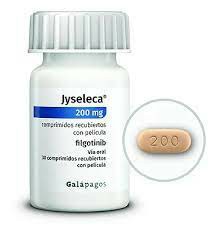
The role of filgotinib is not only to directly inhibit the inflammatory response, but also to exert therapeutic effects by regulating the immune microenvironment. It can reduce abnormal activation of T cells and B cells, inhibit the infiltration of inflammatory cells in joint synovium or intestinal mucosa, thereby improving tissue structure and function. For patients with rheumatoid arthritis, filgotinib can reduce joint swelling and pain and delay joint destruction; for patients with ulcerative colitis, it can relieve intestinal mucosal inflammation, improve symptoms such as diarrhea and bloody stools, and promote mucosal repair. Clinical trials have shown that filgotinib can effectively control disease activity and improve patients' quality of life when used alone or in combination with traditional DMARDs (disease-modifying antirheumatic drugs).
In terms of pharmacological properties, filgotinib is well absorbed orally, and its plasma concentration can reach effective levels within a few hours. It is metabolized mainly through the liverCYP enzyme system, which mainly generates active metabolites to continue to exert its inhibitory effect. Its half-life is moderate, so oral administration once a day can maintain blood concentration and achieve sustained immunomodulatory effects. Due to its high selectivity, filgotinib has relatively superior tolerability and safety in long-term treatment, especially in patients with potential cardiovascular risks or previous history of thrombosis. Its safety advantages are more prominent.
In summary, filgotinib selectively inhibitsJAK1 signaling pathway blocks pro-inflammatory cytokine signaling, regulates abnormal immune responses, and improves the inflammatory microenvironment, thereby achieving the effect of alleviating the symptoms of rheumatoid arthritis and ulcerative colitis. Its precise mechanism of action and oral convenience make it an important treatment option for patients with moderate to severe autoimmune diseases in clinical practice, providing a safe and effective treatment strategy for long-term control of chronic inflammation.
Reference materials:https://go.drugbank.com/drugs/DB14845
[ 免责声明 ] 本页面内容来自公开渠道(如FDA官网、Drugs官网、原研药厂官网等),仅供持有医疗专业资质的人员用于医学药学研究参考,不构成任何治疗建议或药品推荐。所涉药品可能未在中国大陆获批上市,不适用于中国境内销售和使用。如需治疗,请咨询正规医疗机构。本站不提供药品销售或代购服务。


