
.jpeg)
Analysis of feasibility and potential risks of long-term use of DaliRasen (Keweike)
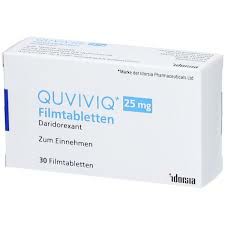
As a selective orexin (orexin) receptor antagonist, Daridorexant is used to treat insomnia. It does not pharmacologically act on the GABA pathway and is theoretically less likely to cause tolerance and addiction than benzodiazepines. Multiple clinical trials have shown that taking it in the short to medium term (weeks to months) can significantly improve the time it takes to fall asleep and maintain sleep, with less residual sleepiness the next day. Therefore, for patients who need long-term control of insomnia symptoms and are sensitive to the side effects of traditional hypnotics, DaliRasen provides a long-term medication option that can be considered under monitorable conditions.
However, the feasibility of long-term use needs to be based on individualized assessment: first, the cause of insomnia should be determined by a specialist (primary insomnia, mental illness-related, drugs or physical factors, etc.), and combined with non-drug therapies such as cognitive behavioral therapy (CBT-I), rather than relying solely on drugs for long-term maintenance. Even if the drug itself has a low risk of dependence, long-term use may still lead to tolerance (decreased efficacy), fluctuations in efficacy, or individual differences in the impact on daytime awakening. Therefore, the efficacy and necessity should be regularly evaluated, and attempts should be made to gradually reduce the dose or intermittent administration when the condition is stable to evaluate the maintenance effect.
Potential risks require key monitoring: first, the cumulative effect of daytime sleepiness, attention or cognitive function decline, especially for the elderly, patients who drive or engage in work that requires high alertness; second, rare but noteworthy changes in psychiatric symptoms (such as worsening of depression, abnormal behavior or suicidal thoughts), those with a history of mental illness or severe People at risk of depression should be carefully evaluated and followed up closely before taking medication; third, the interaction with concomitant medications and pharmacokinetic effects (patients with liver dysfunction may require dose adjustment), all prescriptions and OTC drugs or herbal supplements need to be reviewed before taking medication.
In summary, daliler anagen administration is clinically feasible, but should not be the first choice for long-term isolation. The reasonable approach is to identify the cause and prioritize or combine non-drug treatments, develop an individualized long-term plan by a specialist, regularly evaluate the efficacy and adverse reactions (including sleep quality, daytime function and psychological state), and adjust the dose or adopt intermittent therapy when necessary. If obvious side effects or loss of efficacy occur, you should communicate with your doctor promptly to evaluate dressing changes, drug discontinuation, or other comprehensive intervention measures.
Reference materials:https://www.drugs.com/
[ 免责声明 ] 本页面内容来自公开渠道(如FDA官网、Drugs官网、原研药厂官网等),仅供持有医疗专业资质的人员用于医学药学研究参考,不构成任何治疗建议或药品推荐。所涉药品可能未在中国大陆获批上市,不适用于中国境内销售和使用。如需治疗,请咨询正规医疗机构。本站不提供药品销售或代购服务。


