
.jpeg)
Efficacy and clinical data analysis of sparsentan (sparsentan) in the treatment of IgA nephropathy
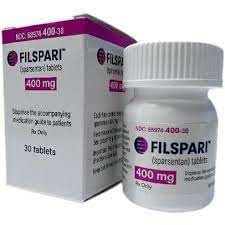
Sparsentan () is a new type of dual-action drug that is both an angiotensin II receptor antagonist (ARB) and an endothelin receptor antagonist (< /span>ERA)’s mechanism of action is mainly used for the treatment of chronic kidney disease, especially showing good clinical prospects in patients with IgA nephropathy (IgAN). IgAKidney disease is a glomerular disease characterized by immune complex deposition. Patients often present with proteinuria, hematuria and chronic renal function decline. In severe cases, it can progress to end-stage renal disease (ESRD). The research and development goal of sparsentan is to reduce proteinuria and delay the deterioration of renal function through dual mechanisms, thereby improving the long-term prognosis of patients. The following is a detailed analysis from four aspects: drug mechanism, clinical trial data, efficacy evaluation and future clinical application.
Drug mechanism of action
Sparsentan has a dual regulatory effect on glomerular hypertension, glomerular damage and proteinuria by simultaneously antagonizing the AT1 receptors of angiotensin Ⅱ and the endothelin receptor ETA. AT1 Receptor antagonism can reduce intraglomerular pressure, alleviate glomerular filtration membrane damage, and significantly inhibit proteinuria production; endothelin receptor antagonism can improve glomerular endothelial function, inhibit the glomerulosclerosis process, and reduce the risk of fibrosis. This dual mechanism enables sparsentane to provide a more comprehensive protective effect based on traditional single ARB or ACEI treatment, and provides a new treatment idea for long-term renal function maintenance in patients with IgA nephropathy.
Clinical trial data analysis
In key clinical trials such as PARALLEL and DUET, sparsentane has shown significant anti-albuminuria and renal function protection. For example, in the DUET trial, 24< The hourly urinary protein excretion decreased by approximately 49% compared with the baseline, which was significantly better than the patients in the control group who used a single ARB, showing strong anti-proteinuria ability. At the same time, trial data show that sparsentane can show efficacy in short-term observation from 12 to 24 weeks, and some patients have significant improvement in proteinuria as early as 4 to 8 weeks. These data suggest that it has both rapid onset of action and long-lasting efficacy, providing a basis for early treatment and long-term management of clinical patients.
Efficacy evaluation and safety
In addition to improving proteinuria, attention has also been paid to the delaying effect of sparsentan on the decline of renal function. An interim analysis showed that patients who received sparsentan had significantly slower declines in serum creatinine and eGFR than those in the control group, suggesting its potential in protecting glomerular filtration function. In addition, sparsentan is generally well tolerated, and common adverse reactions include mild to moderate hypotension, headache, and edema, which can usually be alleviated through dose adjustment or symptomatic treatment. The incidence of serious adverse events is low, indicating that its safety is controllable in clinical use. However, patients still need to regularly monitor blood pressure, electrolytes and renal function during treatment to ensure a balance between efficacy and safety.
Clinical application prospects and development direction
Based on existing clinical data, sparsentan has significant advantages in the treatment of IgA nephropathy. It can not only reduce proteinuria, but also delay the deterioration of renal function, providing an effective strategy for the prevention of end-stage renal disease. In the future, with the accumulation of long-term follow-up data, sparsentan is expected to become an important drug in the first-line or combination treatment of IgA nephropathy. In addition, its dual mechanism of action may also provide reference for the treatment of other proteinuria-related chronic kidney diseases and expand the scope of clinical indications. With the release of the results of the global multi-center phase III clinical trial, the application prospects of sparsentan in the field of IgA nephropathy and other chronic kidney diseases will become clearer, providing patients with more scientific, systematic and personalized treatment options.
In summary, sparsentane shows significant anti-albuminuric effects and renal function protection potential in patients with IgA nephropathy. Combined with existing clinical data, its efficacy is rapid and lasting, and its safety is good, providing a new option for the treatment of chronic kidney disease. In the future, as more large-sample and long-term follow-up studies are conducted, sparsentane is expected to have wider clinical application value and provide patients with more scientific and safe treatment options.
Reference materials:https://www.drugs.com/
[ 免责声明 ] 本页面内容来自公开渠道(如FDA官网、Drugs官网、原研药厂官网等),仅供持有医疗专业资质的人员用于医学药学研究参考,不构成任何治疗建议或药品推荐。所涉药品可能未在中国大陆获批上市,不适用于中国境内销售和使用。如需治疗,请咨询正规医疗机构。本站不提供药品销售或代购服务。


