
.jpeg)
Detailed analysis of the functions, efficacy and applicable diseases of Febuxostat (Febuxostat)
Febuxostat (Febuxostat) is a drug commonly used to treat hyperuricemia and gout, and it plays an important role in clinical practice. As a non-purine xanthine oxidase inhibitor, it effectively blocks the conversion of xanthine to uric acid during purine metabolism by inhibiting the activity of xanthine oxidase (Xanthine Oxidase, XO), thereby reducing serum uric acid levels. This mechanism is different from traditional allopurinol. Allopurinol is a purine analog whose inhibitory effect is dose-dependent and some patients may develop tolerance. Febuxostat is a non-purine drug that is highly selective for xanthine oxidase and can exert a relatively stable uric acid-lowering effect in different patients.
In terms of indications, febuxostat is mainly used to treat hyperuricemia (Hyperuricemia), especially for patients with gout symptoms. Gout is a chronic metabolic disease caused by the deposition of uric acid crystals in joints and tissues. Its clinical manifestations include joint redness and swelling, severe pain and limited mobility. Long-term hyperuricemia not only leads to gout attacks, but may also increase the risk of kidney stones, kidney damage, and cardiovascular disease. By continuously reducing serum uric acid levels, febuxostat can effectively reduce the frequency of acute gout attacks, reduce joint inflammatory reactions, and reduce the risk of urate deposition, thereby improving patients' long-term quality of life.
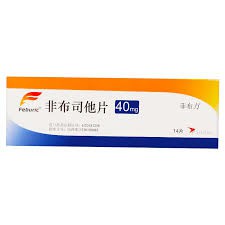
The clinical application of febuxostat is not limited to gout patients, but also applies to patients with hyperuricemia who cannot tolerate or have poor response to allopurinol treatment. In some patients, allopurinol may cause rash, abnormal liver function, or severe allergic reactions, and febuxostat, due to its non-purine structure, can provide a safe alternative for these patients. In addition, febuxostat has been shown to be well tolerated in patients with mild to moderate impairment of renal function. Some clinical studies have shown that it can still significantly reduce blood uric acid levels in patients with impaired renal function, and does not require strict dosage adjustment like allopurinol, which greatly facilitates doctors in clinical practice for individualized treatment.
During use, febuxostat is usually given in the form of oral tablets. The common dosage is 40mg to 80mg once a day, adjusted according to the patient's blood uric acid level and tolerance. Mild liver function abnormalities, headache, or gastrointestinal discomfort may occur early in treatment, but most are reversible and mild. To ensure curative effect, patients need to cooperate with diet control and lifestyle adjustments, such as limiting the intake of high-purine foods, maintaining adequate water intake, and exercising moderately. Long-term follow-up studies have shown that regular use of febuxostat can not only maintain blood uric acid within the target range, but also significantly reduce the occurrence of gout nodules and joint damage, providing a scientific, effective and relatively safe treatment option for patients with hyperuricemia and gout.
Reference materials:https://www.drugs.com/
[ 免责声明 ] 本页面内容来自公开渠道(如FDA官网、Drugs官网、原研药厂官网等),仅供持有医疗专业资质的人员用于医学药学研究参考,不构成任何治疗建议或药品推荐。所涉药品可能未在中国大陆获批上市,不适用于中国境内销售和使用。如需治疗,请咨询正规医疗机构。本站不提供药品销售或代购服务。


