
.jpeg)
Which one is more effective than nintedanib/vegat or pirfenidone?
Nintedanib and Pirfenidone are the two main anti-fibrotic drugs currently used to treat idiopathic pulmonary fibrosis (IPF). They are both recommended by international clinical guidelines to slow down disease progression. Although both have the same goals - to control the process of pulmonary fibrosis, delay the decline of lung function, and improve patients' quality of life, their pharmacological mechanisms, metabolic characteristics, and side effects are different. Therefore, "which one is better" needs to be comprehensively evaluated based on the patient's individual situation, disease stage, and tolerance, rather than simply comparing the strength of the efficacy.
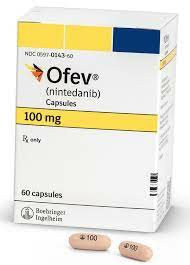
Nintedanib is a multi-target tyrosine kinase inhibitor that can simultaneously inhibit vascular endothelial growth factor receptor (VEGFR), fibroblast growth factor receptor (FGFR) and platelet-derived growth factor receptor (PDGFR). These receptors play a key role in promoting the formation of pulmonary fibrosis. By blocking these signaling pathways, nintedanib can effectively reduce the abnormal proliferation and collagen deposition of fibroblasts, thereby slowing down the hardening of lung tissue. Its mechanism is more inclined to the compound pathway of "anti-proliferation + anti-angiogenesis", so it has a wide range of targets in inhibiting the formation of fibrosis. Nintedanib also shows a certain anti-inflammatory effect and has potential advantages in inhibiting the expression of inflammatory cytokines. It is especially suitable for patients with rapid decline in lung function or obvious inflammatory response.
Pirfenidone is a small molecule anti-fibrotic drug that mainly inhibits the activity of transforming growth factorβ (TGF-β) and tumor necrosis factor α (TNF-α), thereby reducing inflammation and fibrosis. Its mechanism is more biased toward the "anti-inflammatory + antioxidant" pathway, which can inhibit cell damage and collagen production caused by oxidative stress. Pirfenidone has a mild mode of action and is well tolerated by some patients. It is suitable for patients with slow progression of pulmonary fibrosis and chronic inflammation. For those patients with mild to moderate impairment of lung function who desire long-term maintenance therapy, pirfenidone may be more favorable for long-term compliance and safety.
Based on feedback from research and clinical practice, nintedanib and pirfenidone have similar effects in delaying the decline of lung function, and both can significantly reduce the rate of disease progression. But the two differ in their side effect spectrum. Common adverse reactions of nintedanib are diarrhea, nausea, and elevated liver enzymes, while decreased appetite, photosensitivity reactions, and gastrointestinal discomfort are common with pirfenidone. For patients with high liver function or long-term gastrointestinal problems, doctors may be inclined to choose pirfenidone; while for patients with rapid disease progression or imaging showing active fibrosis, nintedanib may be more advantageous. In some European and American countries, doctors will also perform "sequential treatment" or "combination medication" based on individual tolerance, that is, using two drugs at the same time as tolerance allows, in order to obtain better comprehensive control effects.
It is worth noting that neither of these two drugs can reverse the fibrotic lesions that have formed. Their main value lies in "delaying" the progression of the disease rather than "curing" the disease. Therefore, early diagnosis and timely intervention are key. Clinically, doctors usually develop individualized plans based on pulmonary function tests, imaging findings, and the patient's basal metabolic status. Patients need to regularly monitor liver function, weight and digestive system conditions during medication, and make dosage adjustments in compliance with medical instructions.
Currently in China, the trade name of nintedanib is "Vigat", which has been included in the scope of medical insurance reimbursement, and the price has dropped significantly, improving patient accessibility; pirfenidone has also been included in the medical insurance catalog, and the supply on the market is relatively sufficient. For patients whose financial conditions permit, single-agent or sequential regimens can be selected based on tolerance.
Reference materials:https://en.wikipedia.org/wiki/Nintedanib
[ 免责声明 ] 本页面内容来自公开渠道(如FDA官网、Drugs官网、原研药厂官网等),仅供持有医疗专业资质的人员用于医学药学研究参考,不构成任何治疗建议或药品推荐。所涉药品可能未在中国大陆获批上市,不适用于中国境内销售和使用。如需治疗,请咨询正规医疗机构。本站不提供药品销售或代购服务。


