
.jpeg)
Analysis on whether you can stop taking venetoclax/venetoclax at will once you start taking it
Venetoclax (Venetoclax) is a BCL-2 inhibitor, mainly used to treat hematological malignancies such as chronic lymphocytic leukemia (CLL), acute myeloid leukemia (AML). The drug induces apoptosis of cancer cells by inhibiting BCL-2 protein, thereby controlling the progression of the disease. In clinical practice, venetoclax is usually part of long-term continuous medication. Once it is started, stopping it at will may affect the therapeutic effect and even increase the risk of disease recurrence.
Haphazard discontinuation of the drug may cause rapid deterioration of the condition in patients with hematological diseases. During the course of treatment, a certain blood concentration of venetoclax needs to be maintained to ensure that the BCL-2 inhibitory effect continues to be exerted. Interruption of medication may cause the drug concentration in the body to decrease, allowing cancer cells to survive and proliferate, thus affecting the efficacy. Therefore, if patients experience adverse reactions or special circumstances, they must adjust the dose or temporarily stop taking the medication under the guidance of a doctor, rather than stopping the medication on their own.
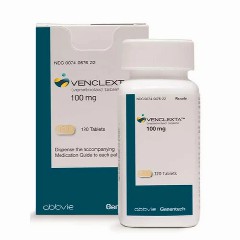
Clinically, doctors will regularly monitor patients taking venetoclax based on the patient's blood count, renal function and concomitant medications. In some cases, such as severe infection, renal insufficiency, or severe bone marrow suppression, your doctor may recommend temporarily interrupting the medication or lowering the dose. Such discontinuation or adjustment is done under strict medical supervision to ensure patient safety and minimize the impact on efficacy.
In general, patients are not advised to discontinue venetoclax at will. Any discontinuation of medication should be conducted under the guidance of a professional physician, and dosage adjustments should be made based on clinical monitoring results. Patients should maintain regular review during the medication period, and provide timely feedback on physical condition and adverse reactions to the doctor so that the doctor can adjust the treatment plan according to the specific situation to ensure the best balance between disease control and medication safety.
Reference materials:https://www.drugs.com/
[ 免责声明 ] 本页面内容来自公开渠道(如FDA官网、Drugs官网、原研药厂官网等),仅供持有医疗专业资质的人员用于医学药学研究参考,不构成任何治疗建议或药品推荐。所涉药品可能未在中国大陆获批上市,不适用于中国境内销售和使用。如需治疗,请咨询正规医疗机构。本站不提供药品销售或代购服务。


