
.jpeg)
Spasentan (sparsentan) adverse reactions and patient safety precautions
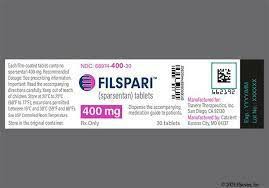
Sparsentan is a new multi-target receptor antagonist mainly used to treat chronic kidney diseases, such as IgA nephropathy (IgAN) and other kidney diseases that lead to proteinuria. Although the drug has shown good efficacy in clinical trials and can significantly reduce proteinuria and delay the decline of renal function, its adverse reactions still require high attention from patients and clinicians. A scientific and reasonable understanding of medication risks and safety management measures is crucial to ensuring patients' therapeutic effects and quality of life. The following content will provide a detailed analysis of adverse reactions, occurrence time, response measures, and medication precautions.
First of all, the most common adverse reactions of sparsentan are in the kidneys and cardiovascular system. In clinical studies, some patients may experience symptoms such as increased blood pressure, edema, and abnormal renal function indicators. Increased blood pressure is a common side effect of medications, especially in patients with existing hypertension or kidney disease. Therefore, patients should monitor their blood pressure regularly while taking sparsentan, and the dosage of antihypertensive drugs can be adjusted under the guidance of a doctor to reduce cardiovascular risks. For edema, it usually manifests as mild edema of the lower limbs. In severe cases, it may affect daily life. The doctor should be informed in time and diuretics or other intervention treatments should be carried out if necessary.
Secondly, abnormal liver function is also one of the possible adverse reactions of sparsentan. Some patients may experience mild elevations of ALT and AST in the early stages of medication, and a very small number of patients may develop jaundice or significant liver function damage. Therefore, it is recommended that patients undergo liver function tests before taking the medication and review them regularly during the medication, especially within 1 to 2 months of taking the medication. If there is a significant increase in liver function indicators, you should contact your doctor immediately to evaluate whether the dose needs to be adjusted or the medication needs to be suspended. At the same time, avoid concurrent use of drugs that may damage the liver to reduce the risk of compounding.
Third, sparsentine may also cause gastrointestinal discomfort, including nausea, diarrhea, abdominal bloating and other symptoms. Although most symptoms are mild and can be relieved by taking it with food or in divided doses, persistent or worsening symptoms should be reported to your doctor promptly. In addition, a small number of patients may develop electrolyte disorders such as hyperkalemia or hyponatremia, which need to be monitored through regular blood tests, and dietary adjustments or drug intervention should be carried out when necessary.
Proper dosage adjustment and monitoring are key when it comes to safe medication use for patients. Clinically, it is usually recommended to adjust the dosage individually based on the patient's weight, renal function and basic blood pressure. During the period of taking the medicine, you should strictly follow the doctor's instructions and do not increase or decrease the dosage or stop the medicine on your own. Especially when adverse reactions occur, it is not recommended to stop taking the medication on your own, and you should contact your doctor to evaluate the risks and benefits. At the same time, patients should maintain regular follow-up, including monitoring of blood pressure, renal function, liver function and blood electrolytes, so that abnormal indicators can be detected in a timely manner and intervention measures can be taken.
In addition, the patient's lifestyle adjustment can also significantly reduce the risk of adverse reactions. Patients are advised to control salt intake, drink water reasonably, maintain moderate exercise, and avoid long-term use of other nephrotoxic drugs, such as nonsteroidal anti-inflammatory drugs(NSAIDs). At the same time, regularly communicating with doctors about your symptoms and keeping good medication records can help doctors judge the efficacy and safety of drugs. For special groups, such as elderly patients or those with multiple chronic diseases, medication needs to be used with caution and in strict accordance with individualized plans.
In summary, sparsentane has obvious advantages in reducing proteinuria and delaying the deterioration of renal function, but its adverse reactions include increased blood pressure, edema, abnormal liver function, gastrointestinal discomfort, and electrolyte imbalance. Patients should follow the doctor's guidance during use, regularly monitor various indicators, and make dosage adjustments and lifestyle interventions based on individual conditions. Scientific and reasonable medication management can not only maximize the efficacy of drugs, but also effectively reduce the incidence of adverse reactions and ensure patient medication safety and therapeutic effects.
Reference materials:https://www.drugs.com/
[ 免责声明 ] 本页面内容来自公开渠道(如FDA官网、Drugs官网、原研药厂官网等),仅供持有医疗专业资质的人员用于医学药学研究参考,不构成任何治疗建议或药品推荐。所涉药品可能未在中国大陆获批上市,不适用于中国境内销售和使用。如需治疗,请咨询正规医疗机构。本站不提供药品销售或代购服务。


