
.jpeg)
How effective is Doxorubicin treatment? Clinical response and efficacy assessment in cancer patients
Doxorubicin (Doxorubicin) is a broad-spectrum anti-tumor drug that belongs to the anthracycline class of chemotherapy drugs. It interferes with the DNA replication and transcription of tumor cells by intercalating with DNA and inhibiting the activity of topoisomerase II, thereby preventing cancer cell proliferation. It shows good anti-tumor activity in various malignant tumors such as breast cancer, ovarian cancer, leukemia, lymphoma and so on. Clinically, doxorubicin is often used in combination with other chemotherapy drugs to improve efficacy and reduce the risk of drug resistance.
The clinical response of cancer patients to doxorubicin treatment varies depending on individual differences and cancer types. Most patients can observe positive responses such as tumor size reduction, symptom relief or tumor marker decline after 2-3 cycles of chemotherapy. Some patients may experience short-term side effects such as nausea, vomiting, alopecia, and bone marrow suppression, but these side effects can usually be controlled with pharmacological intervention and supportive care.
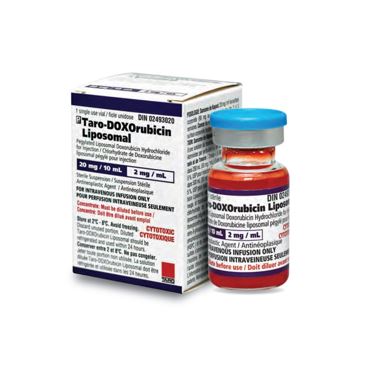
In terms of efficacy evaluation, doctors will make a comprehensive judgment based on imaging examinations, laboratory indicators and changes in clinical symptoms. Commonly used imaging evaluations include CT, MRI, or PET-CT to determine treatment response through changes in tumor volume. At the same time, hematological indicators such as the decrease in tumor marker levels can also be used as an important basis for auxiliary efficacy judgment. For patients with different cancer types, the efficacy evaluation criteria may be slightly different, requiring individualized analysis.
In terms of long-term efficacy and survival benefit, doxorubicin has shown a significant overall response rate and partial survival prolongation in combination chemotherapy regimens. For some highly malignant or recurrent tumors, monotherapy may be limited, but combination regimens can improve patients' overall quality of life and symptom control. Patients need to review regularly during treatment and discuss subsequent treatment plans with their doctors based on the efficacy evaluation results to optimize efficacy and reduce potential risks.
Reference materials:https://www.drugs.com/
[ 免责声明 ] 本页面内容来自公开渠道(如FDA官网、Drugs官网、原研药厂官网等),仅供持有医疗专业资质的人员用于医学药学研究参考,不构成任何治疗建议或药品推荐。所涉药品可能未在中国大陆获批上市,不适用于中国境内销售和使用。如需治疗,请咨询正规医疗机构。本站不提供药品销售或代购服务。


