
.jpeg)
Highlights of dosage and taking guidelines in the official instructions for Febuxostat (Febuxostat)
1. Drug introduction and indications
Febuxostat (Febuxostat) is a selective xanthine oxidase inhibitor, mainly used to treat chronic hyperuricemia in patients with gout. By inhibiting xanthine oxidase activity, it reduces the production of uric acid, thereby reducing serum uric acid levels. Compared with traditional allopurinol, febuxostat inhibits xanthine oxidase more strongly and is not dependent on renal excretion, so it is also suitable for patients with mild to moderate renal insufficiency. Its trade names include Uloric (Uloric) and so on.
2. Routine dosage for adults
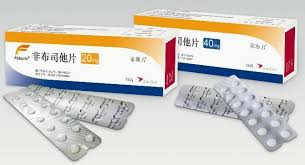
According to the instructions, the recommended starting dose of febuxostat is 40 mg per day, taken orally once a day. This dose is suitable for most patients with gout during the initial treatment phase. After more than 2 weeks of treatment, if the serum uric acid level does not reach the treatment target (usually <360 μmol/L, that is, 6 mg/dL), the dose can be adjusted according to the patient's uric acid level and tolerance. Increase to 80mg daily.
For some patients with extremely high uric acid levels or more stringent treatment goals, if the target is not reached at the dose of 80mg/day, some countries (such as the United States) have approved further increases to 120mg/day. However, the commonly used specifications of febuxostat marketed in China are 40mg and 80mg tablets. Most clinical patients can achieve satisfactory uric acid-lowering effects at the 80mg/ daily dose.
It should be noted that febuxostat is not an analgesic for acute gout attacks, but is a basic treatment for long-term control of uric acid levels. During an acute attack, febuxostat can be continued to be used to maintain blood uric acid control, and at the same time, NSAIDs or colchicine and other drugs can be used to control pain.
3. Medication time and method of administration
Febuxostat is well absorbed after oral administration and can be taken with food or on an empty stomach. It has little effect on absorption. The instructions do not stipulate a specific time for taking the medicine, but it is recommended to take the medicine at a fixed time every day to maintain a stable drug concentration in the body. Patients should swallow the tablet whole and do not chew or break it to avoid affecting the efficacy of the medicine.
During the initial stage of febuxostat treatment, due to the rapid decrease in serum uric acid levels, urate crystals may be redistributed in the body, thus inducing an acute attack of gout. This is a common phenomenon and does not mean that the medication is ineffective. The instructions suggest that low-dose colchicine or NSAIDs may be combined prophylactically in the early stages of treatment and continued for 6About three months to reduce the risk of acute attacks. If an acute attack occurs, it is recommended not to stop taking febuxostat, but to add analgesic or anti-inflammatory drugs under the guidance of a doctor.
4. Medication adjustment for special groups
1.Patients with renal insufficiency
Mild to moderate renal insufficiency (eGFR ≥30 mL/min/1.73m²): No dose adjustment is required, and it can be used as usual 40–80mg/daily.
Severe renal insufficiency (eGFR <30 mL/min/1.73m²): Clinical data are limited. It is recommended that the starting dose does not exceed 40mg/day. Use with caution and closely monitor renal function and blood uric acid levels.
2.Patients with abnormal liver function
Mild to moderate hepatic impairment (Child-Pugh A or B grade): No dose adjustment is required, but liver function needs to be monitored regularly.
Severe hepatic impairment (Child-Pugh C grade): lack of sufficient clinical data, use not recommended.
3.Elderly patients
No special dosage adjustment is required, but attention should be paid to comorbid diseases and multi-drug use, and liver and kidney function should be monitored regularly.
4.Children and teenagers
Febuxostat lacks safety and effectiveness data in people under 18 years old, and the official instructions are not recommended for use in children.
5. Treatment course and monitoring requirements
Febuxostat is used for long-term maintenance treatment It usually requires continuous use for several months or even years to stabilize uric acid levels. The instructions recommend monitoring serum uric acid levels every 2–4 weeks after starting treatment, and adjusting the dose based on the results; when uric acid reaches the target and remains stable, the monitoring interval can be extended to every 3–6Once a month. At the same time, liver function should be monitored regularly (especially in the first 4 months of treatment) to detect potential liver function abnormalities early.
In addition, febuxostat should be used with caution in patients with higher cardiovascular risks (such as those with coronary heart disease, history of stroke, etc.). Some clinical studies suggest that high-dose or long-term use of febuxostat may be associated with an increased risk of cardiovascular death. Therefore, in patients with cardiovascular disease, the benefits and risks should be weighed and cardiovascular status should be closely monitored.
6. Precautions for discontinuation and dose adjustment
Febuxostat treatment should Avoid sudden discontinuation of the drug because uric acid levels will rise rapidly after drug withdrawal, increasing the risk of acute gout attacks. If adjustment or discontinuation is necessary, it should be done gradually under the guidance of a doctor. If the patient experiences significant liver function damage, severe allergic reactions (such as rash, difficulty breathing), or other serious adverse reactions, the drug should be discontinued immediately and seek medical attention.
If a dose is missed, the patient should take it as soon as possible on the same day, but if it is close to the next dose, there is no need to take a missed dose, and a double dose should not be taken at one time.
7. Precautions and combined medication
Febuxostat can be used in combination with most commonly used drugs, but when used simultaneously with drugs such as azathioprine, mercaptopurine or dimenhydrinate , the risk of toxicity may increase and should be avoided or used with caution. When combined with antacids, the absorption is slightly affected, but the clinical significance is not significant. During treatment, patients are advised to limit high-purine diets, abstain from alcohol, and maintain a good lifestyle to improve the overall effect of uric acid-lowering treatment.
Generally speaking, the dosage and guidelines for taking febuxostat are relatively clear: the common starting dose for adults is 40 mg/day, which can be increased to 80 mg/day if necessary; it can be taken with food; the dose needs to be adjusted appropriately under different liver and kidney function states. At the beginning of treatment, attention should be paid to preventing acute attacks, and uric acid levels and liver function need to be monitored regularly. Reasonable and standardized medication can help maintain uric acid levels and prevent recurrent gout attacks and joint and kidney complications.
Reference materials:https://www.drugs.com/
[ 免责声明 ] 本页面内容来自公开渠道(如FDA官网、Drugs官网、原研药厂官网等),仅供持有医疗专业资质的人员用于医学药学研究参考,不构成任何治疗建议或药品推荐。所涉药品可能未在中国大陆获批上市,不适用于中国境内销售和使用。如需治疗,请咨询正规医疗机构。本站不提供药品销售或代购服务。


