
.jpeg)
Anagrelide for the treatment of essential thrombocythemia
Anagrelide (Anagrelide) is a specific platelet production inhibitor used to treat essential thrombocythemia (ET) and belongs to the class of phosphodiesterase Ⅲ (PDEⅢ) inhibitory drugs. It is unique in that it reduces platelet production primarily by inhibiting the maturation process of megakaryocytes without significantly affecting the number of red blood cells or white blood cells. Essential thrombocythemia is a myeloproliferative disease. The core problem is an abnormal increase in platelets, which leads to an increase in blood viscosity, thereby increasing the risk of complications such as thrombosis, cerebral infarction or myocardial infarction.
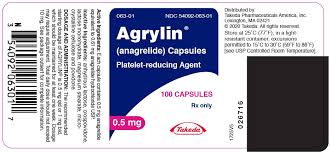
From a pharmacological mechanism, anagrelide can specifically inhibit the cyclic adenosine monophosphate degrading enzyme in megakaryocytes, thereby increasing intracellular cAMP levels and blocking their differentiation into mature platelets. In addition, it mildly inhibits platelet aggregation and vasoconstriction, indirectly helping to prevent thrombosis. Unlike traditional myelosuppressive drugs (such as hydroxyurea or interferon), anagrelide has less overall inhibitory effect on the bone marrow and hematopoietic system, so the side effects are relatively mild, and it is more suitable for long-term maintenance treatment or use in elderly patients.
Overseas studies have shown that anagrelide can significantly reduce platelet counts within 2 to 3 weeks and maintain stable control; in most patients, platelets can be maintained within a safe range, thereby significantly reducing the risk of thrombotic events. Its efficacy is particularly outstanding in high-risk ET patients, especially for patients whose previous use of hydroxyurea has had poor efficacy or intolerance. Anagrelide provides a reliable alternative. The convenience of oral administration also makes patient compliance higher.
The dosage of anagrelide must be gradually adjusted under the guidance of a doctor. The initial dose is usually low and gradually increased based on platelet response and adverse effects. Some patients may experience mild palpitations, headache, fatigue, or gastrointestinal discomfort early in treatment, which is usually transient.
Reference materials:https://go.drugbank.com/drugs/DB00261
[ 免责声明 ] 本页面内容来自公开渠道(如FDA官网、Drugs官网、原研药厂官网等),仅供持有医疗专业资质的人员用于医学药学研究参考,不构成任何治疗建议或药品推荐。所涉药品可能未在中国大陆获批上市,不适用于中国境内销售和使用。如需治疗,请咨询正规医疗机构。本站不提供药品销售或代购服务。


