
.jpeg)
Interpretation of the core points of the instructions for everolimus/Afinitor
1. Name
Chinese: Everolimus
English: Everolimus
Product name: Afinitor/Afinitor
2. Main indications
Everolimus(Everolimus) is suitable for a variety of solid tumors and tumors related to genetic diseases, including:
1. Advanced renal cell carcinoma (RCC): used for adult patients who have failed previous treatment with sunitinib or sorafenib.
2. Pancreatic neuroendocrine tumor (PNET): It is suitable for patients with unresectable, locally advanced or metastatic, well-differentiated advanced stage.
3. Non-functional gastrointestinal or pulmonary neuroendocrine tumors (GI/Lung NET): for adult patients with well-differentiated, locally advanced or metastatic lesions.
4. Tuberous sclerosis (TSC) related tumors: including subependymal giant cell astrocytoma (SEGA) and renal angiomyolipoma (TSC-AML), which are used for patients who are not suitable for surgical resection.
5. Hormone receptor-positive, HER2-negative breast cancer: combined with exemestane for postmenopausal women who have failed letrozole or anastrozole treatment.
The establishment of these indications makes everolimus one of the few multi-target drugs with both anti-tumor and immunomodulatory functions.
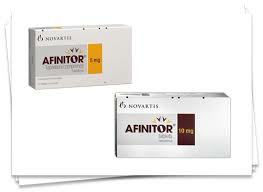
3. Recommended dosage and usage
Everolimus is an oral preparation that is usually taken once daily at the same time.
1. Kidney cancer, neuroendocrine tumors, breast cancer andTSC-AML: The recommended dose is 10mg/day.
2. TSC-related SEGA: The recommended starting dose is 4.5 mg/m², once a day, and adjusted individually according to the patient's body surface area (BSA). Body surface area is calculated using the Dubois formula:
BSA = (W^0.425 × H^0.725) × 0.007184 (W: weight in kg, H: height in cm).
For patients with severe hepatic impairment, it is recommended that the starting dose be reduced to 2.5mg/m²; if combined with a strong CYP3A4 inducer, it can be increased to 9mg/m². Dosage adjustment needs to be combined with blood drug trough concentration monitoring, and the target range is 5-15ng/mL. If it is lower than 5ng/mL, 2.5mg can be added; if it is higher than 15ng/mL, the dose should be reduced by the same amount.
In clinical practice, it is recommended to conduct concentration retesting at the beginning of treatment and after dose adjustment1-2 weeks, and during the stable period, monitor every 3-6 months. If the patient still needs to reduce the dosage after taking the lowest strength, the dosage can be changed to alternate days.
4. Pharmacological mechanism and action characteristics
Everolimus specifically inhibits the activity of the mTORC1 complex by binding to the intracellular proteinFKBP12 to form a complex. The mTOR pathway is a core regulatory mechanism for cell metabolism, proliferation and angiogenesis, and its overactivation is common in various cancers. Everolimus blocks the phosphorylation process of downstream signals S6K1 and 4E-BP1, thereby inhibiting protein synthesis, glycolysis and cell cycle progression.
In addition, everolimus can reduce the expression of **vascular endothelial growth factor (VEGF)**, reduce tumor angiogenesis, and put tumor cells in a state of "metabolic starvation". The drug also inhibits immune cell activation, so it is also used in the prevention of organ transplant rejection. This multiple biological effect makes everolimus not only an anti-tumor drug, but also a signal-modulating therapeutic agent.
5. Adverse reactions and monitoring
The adverse reactions of everolimus are mostly reversible, and common ones include:
1. Stomatitis, rash, fatigue, diarrhea, nausea, cough, fatigue and loss of appetite;
2. Infection and edema are more common in patients with low immune function;
3. Long-term medication may lead to elevated blood lipids and mild liver function abnormalities.
Clinically, blood routine, liver and kidney function and blood sugar levels should be monitored regularly. For patients with mild stomatitis, topical mouthwash can be used. In severe cases, the dosage can be appropriately reduced or the medication can be discontinued for a short period of time.
6. Storage and Management
Everolimus should be storedbelow 30℃, away from light and moisture, and away from children. After opening, the tablets should be kept dry and sealed to prevent moisture from reducing the efficacy.
Reference materials:https://www.drugs.com/everolimus.html
[ 免责声明 ] 本页面内容来自公开渠道(如FDA官网、Drugs官网、原研药厂官网等),仅供持有医疗专业资质的人员用于医学药学研究参考,不构成任何治疗建议或药品推荐。所涉药品可能未在中国大陆获批上市,不适用于中国境内销售和使用。如需治疗,请咨询正规医疗机构。本站不提供药品销售或代购服务。


