
.jpeg)
Analysis of common side effects of Elotuzumab
Elotuzumab (Elotuzumab), as a new immunostimulatory antibody, has an overall controllable safety profile, but attention still needs to be paid to its immune-related and infusion-related side effects in clinical use. According to overseas drug descriptions and clinical follow-up results, the adverse reactions of evolizumab are mostly mild to moderate, and the incidence of serious toxicity is low. However, in some patients, side effects may be superimposed when treated with immunomodulators.
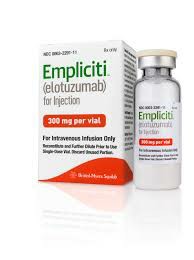
One of the most common adverse reactions is an infusion-related reaction, which usually occurs with the first or first few infusions. Manifestations include fever, chills, rash, shortness of breath or blood pressure fluctuations, most of which can be relieved by slowing down the infusion rate or using antihistamines or glucocorticoids as pretreatment. As the number of treatments increases, the incidence of such reactions decreases significantly, indicating that the body's tolerance to the drug gradually increases.
The increased risk of infection is another important concern. Although evolizumab does not directly inhibit T cells, its combined use with dexamethasone or immunomodulators may lead to a decrease in the body's immunity, making patients more susceptible to upper respiratory tract infections, pneumonia or herpes zoster. Therefore, white blood cell counts and immunoglobulin levels should be monitored regularly during treatment, and antiviral or antibacterial prophylaxis should be applied when necessary.
In addition, some patients may experience systemic reactions such as fatigue, loss of appetite, mild nausea, or peripheral edema, which are related to metabolic changes after immune activation and are mostly reversible reactions. Laboratory abnormalities such as elevated blood sugar and mild fluctuations in liver enzymes are also common, but rarely lead to drug discontinuation. Myelosuppression, anemia or neutropenia have been observed in a few cases, especially when pomalidomide is used concomitantly. Therefore, the dose should be dynamically adjusted or growth factor support should be given based on the blood picture.
Reference materials:https://www.empliciti.com/
[ 免责声明 ] 本页面内容来自公开渠道(如FDA官网、Drugs官网、原研药厂官网等),仅供持有医疗专业资质的人员用于医学药学研究参考,不构成任何治疗建议或药品推荐。所涉药品可能未在中国大陆获批上市,不适用于中国境内销售和使用。如需治疗,请咨询正规医疗机构。本站不提供药品销售或代购服务。


