
.jpeg)
The difference between cytarabine and Quizartinib
Cytarabine (Cytarabine) and Quizartinib (Quizartinib) have significant differences in pharmacological mechanisms, indications, targets and clinical applications, reflecting the fundamental difference between traditional chemotherapy and targeted therapy.
Cytarabine is a classic cytotoxic anti-metabolite drug, a deoxycytidine analogue, which achieves anti-tumor effects by interfering withDNA synthesis. After entering the cell, cytarabine needs to be phosphorylated into the active triphosphate form (Ara-CTP) by intracellular kinases. Its main function is to be embedded in the DNA chain, causing DNA chain extension to be blocked and cell cycle arrest, ultimately triggering cell apoptosis. This effect is not selective and is generally effective on actively dividing cells. Therefore, it is widely used in the induction or consolidation chemotherapy of various hematological malignancies such as acute myeloid leukemia (AML) and acute lymphoblastic leukemia (ALL). However, this also means that cytarabine may cause toxicity to normal bone marrow, gastrointestinal mucosa and hair cells, leading to side effects such as a decrease in white blood cells, platelets and red blood cells, oral ulcers and hair loss.
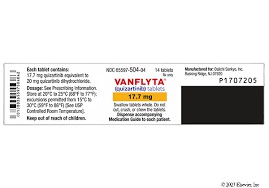
Quizatinib is a new type of targeted drug, which is a tyrosine kinase inhibitor (TKI). Its target is FLT3 (Fms-like tyrosine kinase 3). FLT3 mutations, especially internal tandem duplication (ITD) mutations, are common driver mutations in AML and are closely related to high disease aggressiveness and high risk of recurrence. Quizartinib inhibits leukemia cell proliferation and induces apoptosis by selectively inhibiting the activity of mutant FLT3 kinase and blocking downstream signaling pathways, such as RAS/MAPK and PI3K/AKT. Due to its highly specific target, quizartinib has low toxicity to normal hematopoietic cells and is mainly used clinically to treat patients with relapsed or refractory FLT3-ITD-positive AML. In addition, quizartinib can be used in combination with low-dose chemotherapy or other targeted drugs to improve efficacy and extend progression-free survival.
There are also differences in administration methods and treatment strategies. Cytarabine is often treated with intravenous infusion or high-dose chemotherapy regimens. The treatment period is short but highly reproducible. Patients need to closely monitor blood images and organ functions during the course of treatment. Its efficacy depends on drug concentration and cell cycle stage, so the dosage and interval need to be strictly controlled. In contrast, quizartinib is mainly taken as oral tablets, which is convenient for long-term management and maintenance treatment. The dose adjustment is mainly based on drug tolerance and electrocardiogram QT interval monitoring, making the treatment more individualized and targeted.
In terms of safety, the main toxicities of cytarabine include bone marrow suppression, increased risk of infection, gastrointestinal discomfort and neurotoxicity, while the adverse reactions of quizartinib are relatively mild, with common adverse reactionsQT interval prolongation, mild to moderate bone marrow suppression and gastrointestinal reactions, but regular electrocardiogram monitoring is still required to prevent serious arrhythmias. In terms of treatment strategy, cytarabine is a "systemic killing" and is more suitable for induction or consolidation chemotherapy, while quizartinib is a precision targeted drug and is more suitable for maintenance treatment or relapse treatment of patients with specific genotypes.
In general, the differences between cytarabine and quizartinib focus on drug mechanisms, action targets, clinical applications and safety management. Cytarabine emphasizes broad-spectrum efficacy, but has greater toxic and side effects; Quizartinib embodies the concept of targeted therapy and achieves therapeutic effects through precise intervention of driver mutations. It is suitable for patients with FLT3-ITD-positive AML.
Reference materials:https://go.drugbank.com/drugs/DB12874
[ 免责声明 ] 本页面内容来自公开渠道(如FDA官网、Drugs官网、原研药厂官网等),仅供持有医疗专业资质的人员用于医学药学研究参考,不构成任何治疗建议或药品推荐。所涉药品可能未在中国大陆获批上市,不适用于中国境内销售和使用。如需治疗,请咨询正规医疗机构。本站不提供药品销售或代购服务。


