
.jpeg)
What are the possible side effects of filgotinib?
Filgotinib(Filgotinib) is an oral selective Janus kinase 1 (JAK1) inhibitor, mainly used for the treatment of immune-mediated chronic inflammatory diseases. As a member of the JAK inhibitors, it blocks the signaling of inflammatory cytokines by inhibiting the JAK-STAT signaling pathway, thereby reducing inflammatory response and tissue damage. However, because its effects involve immune regulation and cell signaling pathways, certain adverse reactions may occur during use, which requires the attention of patients and clinicians.
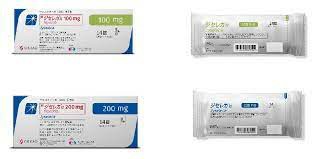
Clinical trials and overseas post-marketing observations show that common adverse reactions of filgotinib include upper respiratory tract infection, urinary tract infection, headache, nausea, diarrhea, and hematological changes such as neutropenia and anemia. These reactions are mainly related to immunosuppression, suggesting that patients should regularly monitor blood routine and infection risks while taking the drug. Some patients may experience an increase in liver function indicators, so it is necessary to pay attention to changes in liver enzymes during treatment and adjust the dose or suspend medication according to the situation. During long-term use, some patients may also experience elevated blood lipids or mild hypertension, which is related to the regulation of lipid metabolism and vascular endothelial function by the JAK pathway.
Although filgotinib is generally well tolerated, as an immunomodulatory drug it still carries the risk of potentially serious adverse events, such as serious infections, thrombotic events, and rare tumors. Therefore, clinicians usually conduct infection screening and thrombosis risk assessment before medication, closely monitor signs of infection and blood indicators during treatment, and adjust dosage or suspend medication when necessary. Patients should pay attention to avoid contact with sources of infection during medication, and seek medical attention immediately if they develop fever, cough, difficulty breathing, or abnormal bleeding.
In general, the adverse reactions of filgotinib are mostly controllable and monitorable immunosuppression-related events, but they still require systematic management and individualized evaluation.
Reference materials:https://go.drugbank.com/drugs/DB14845
[ 免责声明 ] 本页面内容来自公开渠道(如FDA官网、Drugs官网、原研药厂官网等),仅供持有医疗专业资质的人员用于医学药学研究参考,不构成任何治疗建议或药品推荐。所涉药品可能未在中国大陆获批上市,不适用于中国境内销售和使用。如需治疗,请咨询正规医疗机构。本站不提供药品销售或代购服务。


