
.jpeg)
Is pomalidomide a chemotherapy drug or a targeted therapy drug?
Pomalidomide(Pomalidomide) is a new type of immunomodulator (IMiD) that plays a unique role in the treatment of hematological malignancies. Its mechanism is different from traditional chemotherapy drugs and typical targeted drugs. Although it can show potent anti-tumor activity in diseases such as multiple myeloma (MM), pomalidomide is neither a classic cytotoxic chemotherapy drug nor a single targeted therapy drug in a strict sense.
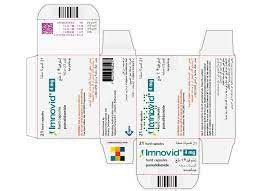
Traditional chemotherapy drugs kill cancer cells by directly interfering withDNA or cell division processes. They have a broad spectrum of effects but lack selectivity. Therefore, while inhibiting tumor proliferation, they also damage normal rapidly dividing cells, such as bone marrow hematopoietic cells, digestive tract mucosa and hair cells, resulting in obvious toxic side effects. Pomalidomide exerts anti-tumor effects by regulating the immune system and tumor microenvironment. It enhances the activity of T cells and natural killer (NK) cells and promotes immune recognition and clearance of leukemia or myeloma cells. At the same time, pomalidomide can inhibit tumor cell proliferation by binding to the protein CRBN (Cereblon) and guiding the degradation of tumor-related transcription factors such as IKZF1 and IKZF3. This mechanism of action gives it certain targeting properties, but it is different from small molecule inhibitors that target a single receptor or enzyme because it simultaneously regulates the immune system and the internal signaling network of tumor cells.
In clinical application, pomalidomide is mainly used for patients with relapsed or refractory multiple myeloma (RRMM), especially those who are intolerant to lenalidomide or pomalidomide. The treatment strategy is usually combined with low-dose dexamethasone to form an immunomodulatory combination treatment plan. Studies have shown that this combination regimen can significantly improve the response rate and extend the progression-free survival (PFS) of patients. Compared with traditional chemotherapy, pomalidomide has less severe bone marrow suppression and gastrointestinal toxicity, but it is still necessary to be alert to immune-related adverse reactions such as thrombosis, infection, and peripheral neuropathy.
Pomalidomide is administered orally, which facilitates long-term maintenance treatment, which is also an important feature that distinguishes it from intravenous chemotherapy. Doctors can adjust the dosage according to the patient's blood picture, liver and kidney function, and concomitant medication to achieve personalized and precise treatment. During treatment, thrombotic risk management is particularly important, so anticoagulant prophylaxis is often given clinically, especially in high-risk patients. In addition, drug tolerance and efficacy need to be followed up through regular hematology monitoring and bone marrow assessment to ensure that efficacy is sustained and toxicity is controllable.
In general, pomalidomide embodies the development trend of modern hematological cancer treatment, which is the transformation from traditional broad-spectrum chemotherapy to precision treatment combining immunomodulation and targeting. It controls myeloma or other hematological malignancies through immune regulation and targeted protein degradation. It has selective killing capabilities and relatively controllable toxic and side effects.
Reference materials:https://en.wikipedia.org/wiki/Pomalidomide
[ 免责声明 ] 本页面内容来自公开渠道(如FDA官网、Drugs官网、原研药厂官网等),仅供持有医疗专业资质的人员用于医学药学研究参考,不构成任何治疗建议或药品推荐。所涉药品可能未在中国大陆获批上市,不适用于中国境内销售和使用。如需治疗,请咨询正规医疗机构。本站不提供药品销售或代购服务。


