
.jpeg)
Afatinib (Gitarel) efficacy, side effects and safe use guidance
1. Overview and efficacy of drugs
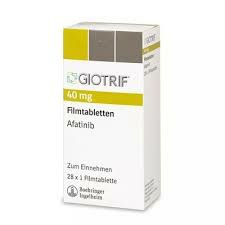
Afatinib (Afatinib) is an oral irreversible epidermal growth factor receptor (EGFR) and HER2 family receptor tyrosine kinase inhibitor. It is mainly used to treat patients with EGFR mutation-positive advanced or metastatic non-small cell lung cancer (NSCLC), especially for patients with classic sensitive mutations (such as Exon 19 deletion and Exon 21 Patients with L858R mutation) had significant effects.
Afatinib irreversibly inhibits the EGFR and HER2 signaling pathways, blocking the downstream RAS-RAF-MEK-ERK and PI3K-AKT signals inhibit tumor cell proliferation, induce apoptosis, and reduce tumor invasion and metastasis capabilities. Clinical studies have shown that afatinib can significantly prolong progression-free survival (PFS) and improve the objective response rate (ORR) in the first-line treatment of EGFRmutated NSCLC, and some patients can achieve long-term disease control.
In addition, afatinib also shows certain efficacy in patients with brain metastases because it has certain blood-brain barrier penetration and can be used to control brain metastases and improve symptoms. Compared with early first-generation EGFR inhibitors, afatinib is effective against some rare EGFR mutations (such as G719X, S768I, L861Q) are also active, expanding the scope of clinical application.
2. Common side effects
Although afatinib is highly effective, its irreversible inhibitory effect may also cause a variety of side effects and requires close monitoring during use. Common side effects include:
1.Skin and mucous membrane reactions
Patients often experience rash, itching, dry skin, or onychomycosis. Some patients may be accompanied by acne-like rash or oral mucositis, which affects their quality of life. Severe cases may require temporary discontinuation of medication or dose adjustment.
2.Digestive system reaction
Diarrhea, nausea, vomiting, stomatitis, and decreased appetite were the most common adverse reactions. Severe diarrhea may lead to dehydration and electrolyte imbalance, so prompt fluid replacement and symptomatic treatment are required.
3.Abnormal liver and kidney function
Although rare, some patients may experience elevated serum aminotransferases or renal function impairment, and require regular monitoring of liver and kidney function indicators.
4.Other side effects
These include fatigue, dry eyes, dry cough, or mild respiratory discomfort. A small number of patients may develop severe pulmonary toxicity (interstitial lung disease) or cardiovascular events, and a high degree of vigilance is required.
3. Safe use guidance
To maximize efficacy and reduce risk, afatinib should be used according to the following guidelines:
1.Dosage and administration
The recommended starting dose is 40mg Take the tablet orally once a day, swallow the whole tablet, with a meal or on an empty stomach. Patients should take medication at a fixed time every day to maintain stable blood concentration.
2.Pre-medication assessment
Before treatment, it is necessary to confirm EGFR mutation positivity, and evaluate liver and kidney function, cardiac function and previous drug allergy history. Patients with heart disease or previous interstitial lung disease should use with caution.
3.Adverse reaction management
Rashes and dry skin: Moisturizers or topical corticosteroids can be used to relieve itching.
Diarrhea: For mild cases, antidiarrheal drugs can be taken orally; for severe cases, the drug must be discontinued, fluids replenished, and electrolytes monitored.
Abnormal liver and kidney function: Adjust dosage or suspend medication according to indicators, and receive professional treatment if necessary.
4.Dose adjustment strategy
In the event of intolerable side effects , the dose can be reduced from 40mg to 30mg or 20mg/ days, and restoration of the original dose can be considered after the symptoms are relieved. Dose adjustment should be gradual to ensure efficacy while reducing toxicity.
5.Follow-up and monitoring
Recommend every 2–Follow-up visits are conducted every 4weeks, including blood routine, liver and kidney function, imaging evaluation and symptom inquiry. During long-term treatment, it is necessary to pay attention to changes in lung images and electrocardiogram to prevent serious toxic events.
4. Precautions and patient education
1. Medication compliance: The efficacy of afatinib depends on stable blood concentration. Patients must take the medication strictly in accordance with the doctor's instructions and must not stop taking the medication or skip taking it at will.
2.Lifestyle: Maintaining a regular schedule, a balanced diet and moderate exercise can reduce some side effects.
3.Combination medication: Avoid combined use with potent CYP3A4 inhibitors or inducers to avoid affecting blood concentration.
4.Psychological support: During long-term medication, patients may experience anxiety or depression. Psychological support and popular science education should be provided to improve compliance and quality of life.
Afatinib, as a second-generation EGFR inhibitor, has significant anti-tumor effects in EGFR mutated NSCLC patients, and is especially suitable for first-line or previous TKI drug-resistant patients. Its side effects are mainly skin reactions, diarrhea and abnormal liver and kidney function, which can be effectively controlled through scientific dosage adjustment, symptomatic treatment and regular monitoring. Following safe use guidelines and patient education principles can maximize efficacy and reduce risks, providing patients with a long-term and stable treatment plan.
Reference materials:https://www.drugs.com/
[ 免责声明 ] 本页面内容来自公开渠道(如FDA官网、Drugs官网、原研药厂官网等),仅供持有医疗专业资质的人员用于医学药学研究参考,不构成任何治疗建议或药品推荐。所涉药品可能未在中国大陆获批上市,不适用于中国境内销售和使用。如需治疗,请咨询正规医疗机构。本站不提供药品销售或代购服务。


