
.jpeg)
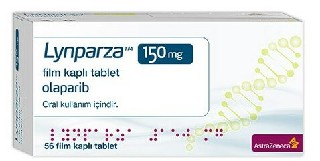
The difference in efficacy and side effects between Lynparza and Niraparib
1. Overview of Drugs
Olaparib and niraparib are both oral PARP (poly ADP ribose polymerase) inhibitors, mainly used for treatment BRCA1/2Mutation-positive or HRD (homologous recombination deficiency)-associated ovarian, breast, prostate, and pancreatic cancers. Both inhibit the key enzyme PARP in DNA repair, making cancer cells unable to repair under the accumulation of DNA damage, thus inducing cancer cell apoptosis.
Although they are both PARP inhibitors, olaparib and niraparib have certain differences in indication range, dosage regimen, efficacy and side effect characteristics. Clinicians need to choose appropriate drugs based on the patient's condition, tolerance and quality of life.
2. Comparison of efficacy
1. Scope of indications
Olaparib (Lippro): Mainly used for BRCA1/2 mutation-positive recurrent ovarian cancer and first-line maintenance treatment. It also has certain applications in pancreatic cancer, prostate cancer and breast cancer. Its efficacy is most significant in BRCA mutation-positive patients, and its objective response rate (ORR) and progression-free survival (PFS) are both better than those in patients without mutations.
Niraparib (Niraparib): has wider indications and can be used for first-line and recurrence maintenance treatment of ovarian cancer, and is effective for BRCA mutation-positive and some HRD-positive patients. In patients without BRCA mutations but HRD positive, niraparib still shows certain efficacy.
2.Differences in efficacy
Clinical trials show that olaparib can extend PFS to approximately 19–21 months, with limited efficacy in HRD negative patients.
Niraparib in first-line maintenance therapy can extend PFS to approximately 21–24 months, showing wider applicability.
Generally speaking, olaparib has outstanding efficacy in patients with clear BRCA mutations, while niraparib has certain advantages in patients with unclear mutation status or HRD positive patients.
3. Comparison of side effects
1.Hematological toxicity
Olaparib: leukopenia, anemia and thrombocytopenia are common, usually mild to moderate (G1–G2). Some patients may experience G3–G4hematological adverse events, which require routine blood monitoring.
Niraparib: The incidence of hematological toxicity is higher, especially Platelet and neutrophil reduction are more obvious, and some patients need to adjust the dose or temporarily discontinue the drug. Individualized dose adjustment of niraparib (based on body weight and platelet baseline) is an important strategy to reduce toxicity.
2.Digestive system side effects
Both can cause Nausea, vomiting, diarrhea, or loss of appetite.
The incidence of niraparib is slightly higher, especially in the early stage of treatment, and some patients need to take anti-nausea drugs.
3.Non-hematological side effects
Olaparib: Fatigue, musculoskeletal pain, respiratory tract infection, and dysgeusia may occur, mostly mild to moderate and generally tolerable.
Niraparib: In addition to fatigue and gastrointestinal symptoms, hypertension, insomnia and tachycardia may occur, especially in elderly patients or those with underlying cardiovascular disease.
4.Dose adjustment and tolerability
Lynparib is well tolerated and most patients do not require major dose adjustments.
The side effects of niraparib vary greatly among individuals, and the starting dose needs to be individualized according to body weight and platelet baseline and dynamically adjusted according to blood routine and clinical symptoms.
4. Safe medication and management suggestions
1.Pre-medication assessment
ConfirmBRCA or HRD status, and evaluate liver and kidney function, cardiovascular disease history and blood routine.
It should be used with caution in patients with poor hematological foundation or concomitant heart disease, and alternative drugs should be chosen if necessary.
2.Monitoring and follow-up
Regular blood routine, liver and kidney function and blood pressure monitoring are required during treatment
In the event of severe hematological toxicity or persistent hypertension, dose adjustment or temporary discontinuation is required.
3.Patient education
Inform patients of potential side effects and methods of self-monitoring, such as fatigue, bleeding, infection, or palpitations.
It is recommended to follow up regularly and provide timely feedback on adverse events to avoid delays in treatment.
4.Combined treatment and clinical selection
Olaparib is suitable for patients with confirmed BRCA mutations BRCA . It has a concentrated effect and relatively mild side effects.
Niraparib is suitable for a wider range ofHRD positive patients or those who want to maintain efficacy to cover people without clearBRCA mutations, but more stringent monitoring of hematological and cardiovascular toxicity is required.
Olaparib and niraparib are bothPARP inhibitors. Both can prolong the progression-free survival of patients with ovarian cancer and some other solid tumors, but there are differences in the scope of efficacy, side effects spectrum and safety management strategies:
Olaparib: The efficacy is concentrated in patients withBRCA mutations. It is well tolerated and has relatively mild hematological and non-hematological toxicity.
Niraparib: a wider range of efficacy, coveringHRD positive and partially negativeBRCAIn patients with mutations, hematological toxicity, cardiovascular events and side effects are more significant and require individualized dose adjustment and strict monitoring.
Clinical drug selection should be based on a comprehensive evaluation of mutation status, patient's basic condition and quality of life , rational selection of drugs and doses, and coordination of monitoring and management measures to ensure efficacy and drug safety.
Reference materials:https://www.drugs.com/
[ 免责声明 ] 本页面内容来自公开渠道(如FDA官网、Drugs官网、原研药厂官网等),仅供持有医疗专业资质的人员用于医学药学研究参考,不构成任何治疗建议或药品推荐。所涉药品可能未在中国大陆获批上市,不适用于中国境内销售和使用。如需治疗,请咨询正规医疗机构。本站不提供药品销售或代购服务。


