
.jpeg)
Comparison of the efficacy and side effects of afatinib (Gitarel) and dacomitinib
Afatinib (Afatinib) and dacomitinib (Dacomitinib) are both irreversible second-generation EGFR tyrosine kinase inhibitors (TKI), mainly used for treatment EGFRSensitive mutation-positive non-small cell lung cancer (NSCLC) patients, including common Exon 19 deletions and L858R point mutations. There are similarities but also differences between the two in terms of clinical efficacy, resistance mechanism and safety, which provides a reference for patients and clinicians in selecting individualized treatment options.
In terms of efficacy, afatinib has been shown in multiple clinical trials to be effective in patients with EGFR mutationsNSCLC The progression-free survival (PFS) is significantly prolonged, and it shows better efficacy than the first-generation TKI (such as gefitinib, erlotinib). Especially in patients with Exon 19 deletion, afatinib significantly prolonged PFS and improved overall survival (OS). Dacomitinib also shows high efficacy against EGFR sensitive mutations. Some head-to-head comparison studies show that dacomitinib is slightly better than afatinib in terms of PFS, but the difference is not significant. Overall, both can be used as first-line treatment options and perform well in improving tumor control rates.
In terms of side effects, both afatinib and dacomitinib exhibit EGFR-TKI-related characteristic adverse reactions, such as rash, diarrhea, oral ulcers and onychomycosis. Among the common adverse reactions of afatinib, diarrhea and rash are the most prominent. Some patients may experience moderate to severe side effects and need to reduce the dose or temporarily discontinue the drug. The side effect spectrum of dacomitinib is similar to that of afatinib, but the overall incidence is slightly higher, especially rash and hand-foot syndrome, which may be related to its broader spectrum of irreversible inhibition of EGFR. Nonetheless, most of the adverse effects of both can be effectively managed through symptomatic treatment, dose adjustment, or lifestyle intervention.
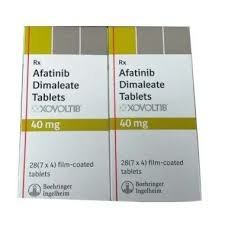
In terms of dose adjustment and individualized application , the usual starting dose of afatinib is 40 mg once daily and can be adjusted to30 mg or 20 mg once daily. The initial dose of dacomitinib is 45 mg once a day. If serious adverse reactions occur, it can be reduced to 30 mg or 15 mg once a day. For patients with liver and kidney dysfunction, elderly patients, or patients with comorbid diseases, the dosage of both needs to be adjusted carefully to take into account both efficacy and safety. In addition, during long-term medication, regular monitoring of hematological indicators, liver and kidney functions, and electrocardiogram can help promptly detect and deal with adverse reactions and improve treatment compliance.
Taken together, afatinib and dacomitinib are relatively close in efficacy. Both can significantly prolong the PFS and improve the quality of life of patients with EGFRmutated NSCLC. However, there are subtle differences in the intensity and type of side effects. Diarrhea and rash are more common with afatinib, whereas rash and hand-foot syndrome may be more common with dacomitinib. Which drug to choose clinically should be based on the patient's mutation type, age, underlying disease, tolerance and lifestyle habits, and an individualized treatment plan should be formulated. Side effects should be strictly monitored and managed during the medication period to achieve the best balance between efficacy and safety.
Reference materials:https://www.drugs.com/
[ 免责声明 ] 本页面内容来自公开渠道(如FDA官网、Drugs官网、原研药厂官网等),仅供持有医疗专业资质的人员用于医学药学研究参考,不构成任何治疗建议或药品推荐。所涉药品可能未在中国大陆获批上市,不适用于中国境内销售和使用。如需治疗,请咨询正规医疗机构。本站不提供药品销售或代购服务。


