
.jpeg)
What is the correct use of Trientine?
Trientine(Trientine), a long-term prescription drug used to control Wilson Disease, is a mature and widely accepted copper chelator that can effectively promote the binding and excretion of free copper in the body. Since this drug is a special drug that is long-term, dose-sensitive, and greatly affected by diet, its administration method, time selection, and dosage adjustment are extremely critical to the efficacy. Therefore, correct usage is the core content of patient management. Overseas pharmacopoeia information generally emphasizes that trientine should be taken strictly under the guidance of a doctor, and the dose should be adjusted according to the individual's clinical response, age, weight and copper metabolism status to ensure the best effect of the drug and reduce potential risks caused by improper dosage.
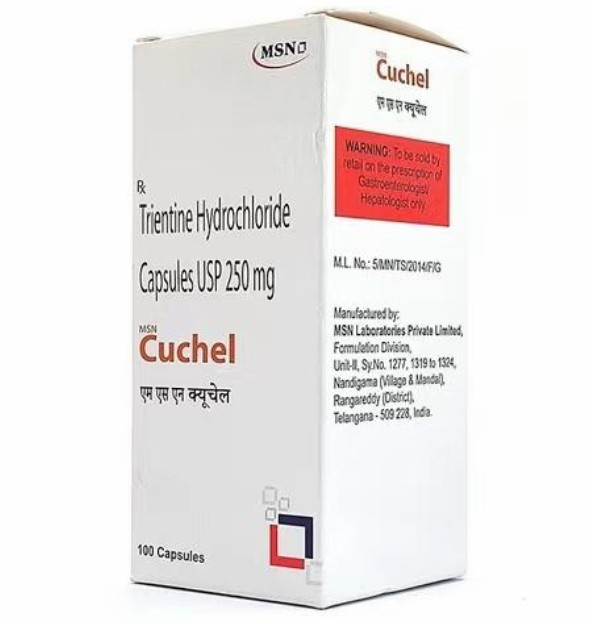
Adult patients usually start with the lowest recommended dose and then gradually adjust the dose based on the body's response to changes in copper levels. The maintenance dose for most patients is in the range of 800 mg to 1600 mg orally per day, which needs to be divided into 2 to 4 times to maintain the copper chelation reaction in the body at a stable level. Such drugs have a limited time in the body, so the importance of taking them in divided doses cannot be ignored. Doctors will gradually optimize the dose based on the patient's clinical indicators to make the treatment closer to individual needs.
For pediatric patients, the dosage standard of trientine is not simply reduced according to the adult dose, but requires a comprehensive assessment based on age, weight and copper metabolism ability. Most children start with a dose in the range of 400 mg to 1000 mg and titrate based on response to treatment. When children are growing and developing, their weight, liver function, and metabolic rate may change rapidly, so it is particularly important to regularly evaluate the effectiveness of medications.
Trientine must be taken on an empty stomach, which is a key step in determining the pharmacological mechanism. Because metal ions (especially calcium and iron) in food will compete with drugs for binding, reducing the chelation efficiency and thus affecting copper excretion. The best time to take is usually at least one hour before or two hours after a meal, and should be staggered by at least one hour with other medications, dairy products, or high-mineral foods.
Reference materials:https://www.cufence.com/
[ 免责声明 ] 本页面内容来自公开渠道(如FDA官网、Drugs官网、原研药厂官网等),仅供持有医疗专业资质的人员用于医学药学研究参考,不构成任何治疗建议或药品推荐。所涉药品可能未在中国大陆获批上市,不适用于中国境内销售和使用。如需治疗,请咨询正规医疗机构。本站不提供药品销售或代购服务。


