
.jpeg)
Selumetinib receives EU approval to treat plexiform neurofibromas in adults caused by NF1 gene mutations
The MEK inhibitor selumetinib has been approved in the European Union (EU) for the treatment of symptomatic, inoperable plexiform neurofibromas (PN) in adult patients with neurofibromatosis type 1 (NF1). The regulatory decision is supported bydata from the KOMET Phase 3 trial (NCT04924608). Results from the KOMET study showed that the overall response rate (ORR) was 20% (95% CI, 11.2%-30.9%) in patients who received selumetinib (n=71) and 5% (95% CI, 1.5%-13.3%) in patients who received placebo (n=74; P=0.0112). This finding was consistent with the study's primary endpoint.
The European approval of selumetinib for use in adults with NF1 PN provides patients and physicians with a meaningful way to close the treatment gap after childhood. Selumetinib is indicated for newly diagnosed adults and those who are transitioning to adult care. This regulatory decision follows a positive opinion issued by the European Medicines Agency's Committee for Medicinal Products for Human Use in September 2025, which recommended approval of selumetinib for the treatment of symptomatic, inoperable PN in adult patients with NF1.
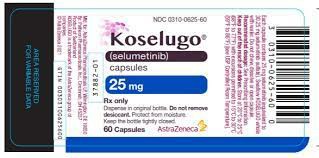
KOMET is a multicenter, international, double-blind trial enrolling adult patients with NF1 and symptomatic, inoperable PN. Patients had a baseline pain pNF score of at least 1, were a MEK inhibitor, were receiving stable chronic pain medication at baseline, and were able to swallow capsules whole.
After pain diary run-in, patients were randomly assigned to receive 25 mg/m2 of oral selumetinib twice daily or placebo. After the 12-cycle randomized period, patients in the placebo group were allowed to crossover to the selumetinib group during the 12-cycle open-label period if MRI assessment showed disease progression.
The primary endpoint was ORR at the end of cycle 16 per independent review committee perREiNS criteria. Key secondary endpoints include change in chronic PN pain intensity at Cycle 12 and change in health-related quality of life compared with placebo. Safety and tolerability outcomes, including adverse events (AEs), vital signs, clinical laboratory assessments, and physical examinations, were also assessed.
In treatmentNo new safety issues were found in patients with NF1-related PN. The most common treatment-emergent adverse events (TEAEs) of any grade that occurred in at least 10% of patients during study arm randomization included dermatitis acneiformis (59%), elevated blood creatine phosphokinase levels (42%), and diarrhea (28%). The most common TEAEs of any grade in the concurrent control group included diarrhea (12%), nausea (11%), alopecia (10%), and fatigue (10%).
The European Commission's approval extends the life-changing potential of selumetinib to adults with NF1 PN in the region, including continuing care into adulthood.
References:https://www.onclive.com/view/selumetinib-nets-eu-approval-for-adult-nf1-associated-plexiform-neurofibromas
[ 免责声明 ] 本页面内容来自公开渠道(如FDA官网、Drugs官网、原研药厂官网等),仅供持有医疗专业资质的人员用于医学药学研究参考,不构成任何治疗建议或药品推荐。所涉药品可能未在中国大陆获批上市,不适用于中国境内销售和使用。如需治疗,请咨询正规医疗机构。本站不提供药品销售或代购服务。


