
.jpeg)
How effective is Nintedanib/Vigat in the treatment of pulmonary fibrosis?
Nintedanib is a multi-target tyrosine kinase inhibitor that has been approved in many countries around the world for the treatment of idiopathic pulmonary fibrosis (IPF) and other progressive fibrotic lung diseases. As an oral small molecule drug, nintedanib mainly blocks the signal conduction of abnormal fibrosis in lung tissue by inhibiting multiple signaling pathways such as platelet-derived growth factor receptor (PDGFR), fibroblast growth factor receptor (FGFR), and vascular endothelial growth factor receptor (VEGFR). This multi-target mechanism of action enables nintedanib to slow down the proliferation, migration and collagen deposition of fibroblasts, fundamentally delay the progression of pulmonary fibrosis, and improve the rate of decline of patients' lung function.
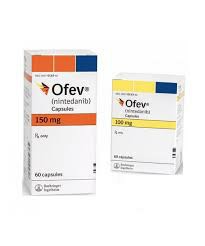
In clinical practice, the therapeutic effect of nintedanib is mainly reflected in the stability of lung function and the delay of disease progression. Large-scale overseas clinical trials and real-world data have shown that patients with idiopathic pulmonary fibrosis who receive nintedanib treatment have a significantly slower decline in lung function, especially in the vital capacity (FVC) index. The patient's annual decline in FVC is significantly lower than that of the control group who did not use the drug. In addition, nintedanib reduces the frequency of exacerbations, which is particularly important in patients with pulmonary fibrosis, as exacerbations are often associated with rapid disease progression and high mortality.
The efficacy of nintedanib is not only reflected in lung function indicators, but also in improving patients' quality of life and symptom control. Although the drug cannot completely reverse the fibrosis that has already formed, its ability to inhibit the expansion of fibrosis can prolong the patient's activity tolerance, reduce the symptoms of dyspnea and limited movement, and help the patient maintain a certain degree of autonomous activity in daily life. For clinicians, nintedanib provides a relatively safe and long-term treatment option for chronic pulmonary fibrosis, allowing patients to achieve better lung function protection in the early and intermediate stages of the disease.
During the use of nintedanib, doctors usually monitor liver function indicators and hematological indicators based on patient tolerance to prevent potential adverse reactions. Common side effects include gastrointestinal reactions such as diarrhea, nausea, and decreased appetite, as well as mild to moderate liver enzyme elevations, but most patients can be relieved with dose adjustment or supportive treatment. These safety data come from multi-center clinical studies around the world and have been included in drug instructions in various countries, making clinical use more standardized and safer.
Overall, nintedanib shows significant anti-fibrotic ability in the treatment of pulmonary fibrosis, delaying disease progression, slowing down the decline of lung function, reducing acute exacerbations, and improving patients' daily living abilities through multi-target tyrosine kinase inhibition. When fibrosis cannot be cured, nintedanib provides a scientific, feasible and long-term treatment strategy, bringing new survival and quality of life guarantees to patients with pulmonary fibrosis, and is an important part of modern pulmonary fibrosis management.
Reference materials:https://en.wikipedia.org/wiki/Nintedanib
[ 免责声明 ] 本页面内容来自公开渠道(如FDA官网、Drugs官网、原研药厂官网等),仅供持有医疗专业资质的人员用于医学药学研究参考,不构成任何治疗建议或药品推荐。所涉药品可能未在中国大陆获批上市,不适用于中国境内销售和使用。如需治疗,请咨询正规医疗机构。本站不提供药品销售或代购服务。


