
.jpeg)
The mechanism of action and pharmacology of mirikizumab
Milikizumab (Mirikizumab), as an IL-23-targeting antibody that is attracting international attention, has shown significant value in the treatment of inflammatory bowel diseases such as ulcerative colitis (UC) and Crohn's disease (CD). After experiencing abdominal pain, diarrhea, weight loss, and repeated mucosal damage for many years, many patients gradually develop tolerance or poor response to traditional drugs. Militizumab, with its more precise immune regulation mechanism, has become a new option recommended by overseas guidelines in recent years. Understanding its mechanism of action is an important prerequisite for patients to evaluate efficacy and understand the logic of medication.
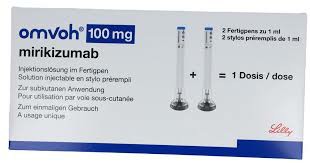
From a pharmacological perspective, militizumab is a selective IL-23p19 monoclonal antibody. It specifically binds to the key subunits of IL-23, making it unable to continue to bind to the receptor, thereby blocking its signaling pathway. IL-23 plays a role in amplifying inflammation in ulcerative colitis and Crohn's disease. Its activation prompts Th17 cells to release a large number of inflammatory factors, causing intestinal tissue damage, mucosal barrier destruction, and continued imbalance of immune responses. By blocking the IL-23 pathway, Militizumab cools down this overactive immune cascade and gradually returns inflammation to a controllable range.
InUC, inflammation is mainly concentrated in the colon mucosa layer, and many patients experience periodic remission and recurrence of symptoms. Militizumab can help reduce mucosal inflammatory activity and promote mucosal repair in such patients, so that symptoms such as abdominal pain, mucus and bloody stools, and increased frequency of defecation will gradually alleviate as the lesions improve. Since the location of UC lesions is relatively limited, blocking the role of IL-23 in local inflammation is more conducive to restoring the mucosal barrier and improving intestinal wall stability.
InCD, inflammation is often segmental and transmural, and lesions may appear in any part of the gastrointestinal tract, and even complex conditions such as fistulas and stenosis may occur. IL-23 also plays an important role in the immune cascade of CD. Militizumab can help reduce deep tissue inflammatory activity, reduce the risk of fistula formation, and relieve abdominal discomfort and maldigestion and absorption problems by targeted regulation of the Th17 pathway.
Reference materials:https://omvoh.lilly.com/
[ 免责声明 ] 本页面内容来自公开渠道(如FDA官网、Drugs官网、原研药厂官网等),仅供持有医疗专业资质的人员用于医学药学研究参考,不构成任何治疗建议或药品推荐。所涉药品可能未在中国大陆获批上市,不适用于中国境内销售和使用。如需治疗,请咨询正规医疗机构。本站不提供药品销售或代购服务。


