
.jpeg)
What are the specific effects of Bosutinib?
Bosutinib is an oral tyrosine kinase inhibitor mainly used to treat patients with chronic myeloid leukemia (CML) and patients who are resistant or intolerant to first- and second-generation TKI therapy. Its core mechanism of action is to target the abnormal tyrosine kinase activity of the BCR-ABL fusion protein and fundamentally inhibit the proliferation signals of leukemia cells. By blocking the downstream signaling pathways driven by BCR-ABL, such as the PI3K/AKT, RAS/MAPK and STAT pathways, bosutinib can induce leukemia cell cycle arrest, promote apoptosis, and inhibit abnormal proliferation, thereby increasing the patient's molecular response rate and delaying disease progression.
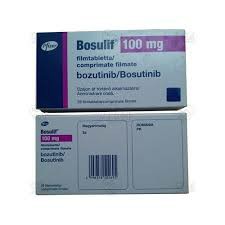
In addition toBCR-ABL, bosutinib also has a certain inhibitory effect on SRC family kinases. This property allows it to play a role in the regulation of the tumor microenvironment, such as interfering with angiogenesis and tumor cell migration. For some leukemia patients with drug-resistant mutations, bosutinib can cover some common BCR-ABL mutations, thereby providing an effective subsequent treatment option when front-line treatment fails or other TKI resistance occurs.
In clinical use, the specific effects of bosutinib include not only improving hematological and cytological responses, but also maintaining disease control during long-term treatment. While patients are taking bosutinib, common biological indicators such as white blood cell count, platelets and liver function need to be monitored in order to adjust the dose in a timely manner and balance efficacy and safety. Overseas studies and real-world data have shown that bosutinib can achieve stable molecular responses in patients with CML chronic phase, accelerated phase and some bone marrow transformation, and has shown significant clinical value especially in drug-resistant patients.
In addition, bosutinib also plays a certain role in improving symptoms and maintaining quality of life. By controlling leukemia cell proliferation and hematological abnormalities, patients' fatigue, bone pain and tumor-related symptoms may be alleviated, thereby helping to prolong the patient's treatment tolerance period and overall survival.
Reference materials:https://go.drugbank.com/drugs/DB06616
[ 免责声明 ] 本页面内容来自公开渠道(如FDA官网、Drugs官网、原研药厂官网等),仅供持有医疗专业资质的人员用于医学药学研究参考,不构成任何治疗建议或药品推荐。所涉药品可能未在中国大陆获批上市,不适用于中国境内销售和使用。如需治疗,请咨询正规医疗机构。本站不提供药品销售或代购服务。


