
.jpeg)
Contraindications for taking Asnib/Assiminib (Xinbeli) and who should be cautious
Asciminib (also known as Asciminib) is a new BCR-ABL1 inhibitor, known as "the next generation breakthrough drug after STI571 (imatinib)". The drug is the first "STAMP (Specifically Targeting the ABL Myristoyl "Pocket)" mechanism-targeted drug inhibits tumor cell signaling pathways by binding to the muscle acylation pocket site of ABLkinase, thereby inhibiting the proliferation of chronic myeloid leukemia (CML) cells. Unlike traditional ATPcompetitive tyrosine kinase inhibitors (TKI), asinib has shown significant efficacy in combating resistance mutations such as T315I. However, despite the outstanding efficacy of this drug, there are still strict contraindications and cautionary regulations in clinical application. Rational drug use is crucial to ensure efficacy and safety.
Contraindications for the use of asinib mainly include patients who are allergic to the drug ingredients, patients with severe hepatic insufficiency, and patients who are using specific potent CYP3A4 inhibitors or inducers. First of all, patients with a clear history of allergy to Asnib or its excipients are prohibited from using it because it may cause severe allergic reactions, including rash, dyspnea, laryngeal edema, etc. Secondly, asinib is mainly metabolized by the liver in the body. People with severe liver damage may cause the drug to accumulate in the body and increase the risk of toxicity. Therefore, such patients should avoid using it or have to adjust the dose under close monitoring by a doctor. In addition, co-use with strong CYP3A4 inhibitors (such as ketoconazole, clarithromycin) or inducers (such as rifampicin, carbamazepine) will significantly affect the blood concentration of the drug, resulting in a decrease in efficacy or an increase in toxic and side effects. Combined use should be strictly avoided.
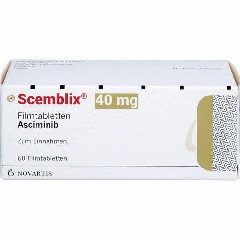
In addition to contraindicated groups, some patient groups should also be cautious when taking asinib. For patients with reduced renal function, pregnant women, lactating women and elderly patients, risk assessment and dosage adjustment are required based on individual conditions. Animal experiments have shown that Asnib may have adverse effects on embryonic development, so it is contraindicated in pregnant women. Women of childbearing age must take reliable contraceptive measures while taking the drug. Breastfeeding women should suspend breastfeeding to prevent potential toxicity of the drug to the baby through milk. For elderly patients, due to their reduced metabolic function and organ reserve capacity, they are prone to adverse reactions, such as gastrointestinal discomfort, elevated liver enzymes, fatigue and anemia, etc. They should start with a low dose and monitor closely. Although there is currently insufficient data to indicate that it is completely contraindicated in patients with renal insufficiency, the dose should be adjusted carefully and blood drug concentrations should be monitored to prevent drug accumulation leading to increased toxicity.
In order to maximize the efficacy and safety of asinib, it is recommended that patients undergo regular blood routine, liver and kidney function and electrocardiogram tests during the medication period to monitor adverse drug reactions. If symptoms such as severe liver enzyme elevation, bilirubin elevation, muscle pain, irregular heartbeat, or obvious fatigue occur, the medication should be discontinued immediately and a doctor should be contacted to evaluate whether the dose needs to be adjusted or the medication needs to be changed. Patients should avoid drinking grapefruit juice or taking other drugs that may affect the metabolism of CYP3A4 during the medication period to prevent interference with the metabolism of asinib in the body. In addition, it is recommended to take medication regularly every day as directed by your doctor, and avoid increasing or decreasing the dose on your own or using it intermittently to avoid the risk of drug resistance. For CML patients who take long-term medication, regular follow-up should also be maintained, and hematologists will dynamically adjust the course of treatment based on BCR-ABL gene levels and clinical responses.
Asnib, as a new generation of BCR-ABL1 targeted drugs, brings new hope to patients with chronic myeloid leukemia who are resistant or intolerant to traditional TKI treatments. However, this drug is not suitable for use by all patients, especially those with liver dysfunction, combined drug risks, or special physiological conditions (pregnancy, lactation), and should be used with caution under the guidance of a professional doctor. Scientific assessment of individual risks, strict compliance with dosage specifications, and regular monitoring of physical indicators are the keys to ensuring the safety and effectiveness of Asnib.
Reference materials:https://www.drugs.com/
[ 免责声明 ] 本页面内容来自公开渠道(如FDA官网、Drugs官网、原研药厂官网等),仅供持有医疗专业资质的人员用于医学药学研究参考,不构成任何治疗建议或药品推荐。所涉药品可能未在中国大陆获批上市,不适用于中国境内销售和使用。如需治疗,请咨询正规医疗机构。本站不提供药品销售或代购服务。


